Privacy Policy
Last updated: February 2026
IslandsDaily ("we," "us," "our") operates islandsdaily.com and the IslandsDaily WhatsApp digest service. This Privacy Policy explains what information we collect, how we use it, and your rights regarding that information.
Information We Collect
When you subscribe to the IslandsDaily WhatsApp digest, we collect:
- Your WhatsApp phone number
- Your name, if you choose to provide it (optional)
- Your selected island(s) of interest
- Your preferred digest language (English, Dutch, or Spanish)
We do not collect payment information, government ID numbers, or any other sensitive personal data through the subscription process.
How We Use Your Information
We use your information solely to:
- Deliver your daily WhatsApp news digest
- Personalize the digest to your selected islands and language
- Respond to HELP requests or manage opt-outs
We do not sell, rent, or share your phone number or personal information with third parties for marketing purposes.
Third-Party Service Providers
We use Twilio, a messaging infrastructure provider, to deliver WhatsApp messages. Twilio processes your phone number solely to transmit messages on our behalf and is bound by its own data protection obligations. We do not share your data with any other third party.
Message Frequency and Opt-Out
You will receive up to one (1) WhatsApp message per day. Message and data rates may apply depending on your mobile carrier or plan. You may unsubscribe at any time by replying STOP to any digest message. Reply HELP for assistance.
No mobile information will be shared with third parties or affiliates for marketing or promotional purposes. All other categories exclude text messaging originator opt-in data and consent; this information will not be shared with any third parties.
Data Retention
We retain your subscription information for as long as your subscription remains active. If you unsubscribe, your phone number is deactivated in our system and excluded from future sends. You may request full deletion of your data at any time by contacting us (see below).
Your Rights
You may request access to, correction of, or deletion of your personal information at any time by contacting us at the email below.
Changes to This Policy
We may update this Privacy Policy from time to time. Continued use of the service after changes constitutes acceptance of the updated policy.
Terms & Copyright
Last updated: February 2026
About IslandsDaily
IslandsDaily is a news aggregation and translation service covering the Dutch Caribbean islands of Aruba, Curaçao, Bonaire, and St. Maarten. Our platform collects publicly available headline-level information from leading local news sources and presents AI-generated English summaries to make Caribbean news accessible to tourists, expats, and English-speaking residents across the region.
What We Display
IslandsDaily displays only the following information per article: the original article headline, an AI-generated summary of between 5 and 7 sentences derived from the publicly available article excerpt, up to three key facts, and the article's thumbnail image served directly from the original publisher's server. We do not display, store, or distribute full article body text under any circumstances. Every article on IslandsDaily includes a clearly visible link directing readers to the full original article on the publisher's own website, where it can be read in the original language.
Copyright & Intellectual Property
All original articles, full content, and images displayed on IslandsDaily remain the exclusive intellectual property of their respective original publishers. IslandsDaily makes no claim of ownership over any content originating from third-party news sources. Our AI-generated English summaries constitute derivative works created for the purpose of language accessibility and do not reproduce original article text. Article thumbnail images are served directly from original publisher servers via standard hotlinking and are not downloaded, copied, stored, or re-hosted on IslandsDaily infrastructure.
Our Legal Framework
IslandsDaily operates in the internationally established tradition of news aggregation as practiced by Google News, Apple News, Flipboard, and thousands of platforms worldwide. We operate in good faith, maintain full attribution to all original sources, actively direct reader traffic back to original publishers, and limit displayed content strictly to headline-level information. We do not reproduce copyrighted content and we do not derive commercial benefit from the reproduction of original articles.
Content Removal Requests
If you are a content owner, publisher, or rights holder and you wish to request the removal or modification of how your content appears on IslandsDaily, please contact us at the email address below. We take all such requests seriously and will respond within 48 hours. We will remove any content upon valid request without requiring legal proceedings. We believe in resolving all content concerns directly and amicably.
legal@islandsdaily.com
Advertiser Disclaimer
Sponsored content and advertisements displayed on IslandsDaily are clearly labeled as 'Sponsored' or 'Advertisement' and are separate from editorial news content. IslandsDaily does not endorse any advertiser's products or services. Advertisers have no influence over editorial content or the selection of news articles displayed on the platform.
WhatsApp Digest Service
By subscribing to the IslandsDaily WhatsApp digest, you agree to receive up to one (1) automated WhatsApp message per day containing curated news headlines for your selected island(s) in your chosen language. Message and data rates may apply depending on your mobile carrier or plan. You may unsubscribe at any time by replying STOP to any digest message. Reply HELP for assistance. For privacy questions related to the digest service, see our Privacy Policy.
No mobile information will be shared with third parties or affiliates for marketing or promotional purposes. All other categories exclude text messaging originator opt-in data and consent; this information will not be shared with any third parties.
External Links
IslandsDaily contains links to external websites including original news source articles. We are not responsible for the content, accuracy, or privacy practices of any external website.
Changes to These Terms
IslandsDaily reserves the right to update these terms at any time. Continued use of the platform following any changes constitutes acceptance of the updated terms. The date of the most recent update is displayed at the top of this page.
Contact
For all inquiries including content removal requests, advertising, partnerships, and general questions:
legal@islandsdaily.com
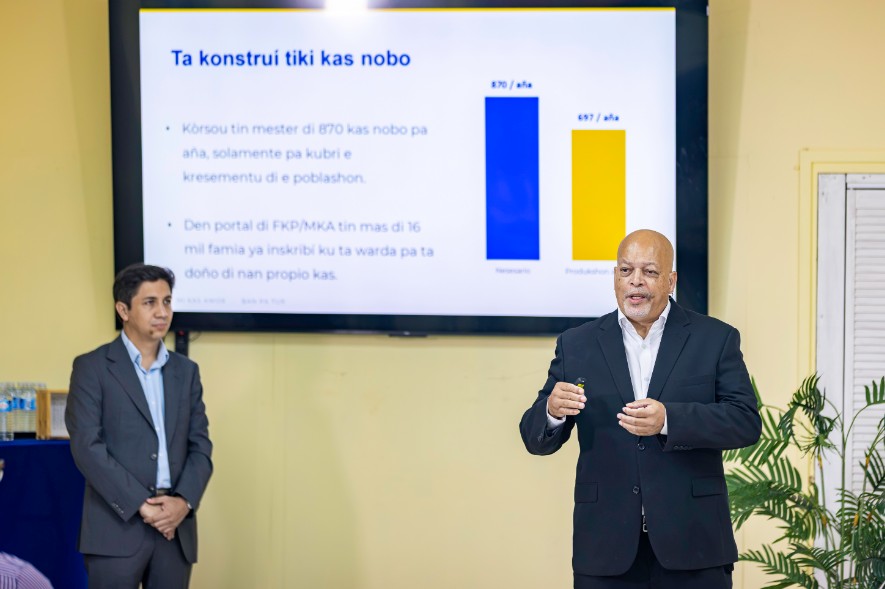 Photo: Curaçao Chronicle