Business
Aruba's Central Bank Posts Record Profit of Over 100 Million Florins
- The Central Bank of Aruba recorded a profit of over 100 million florins in 2025.
- This is the largest profit in the bank's history since its founding.
24ora🇦🇼·7 hours ago



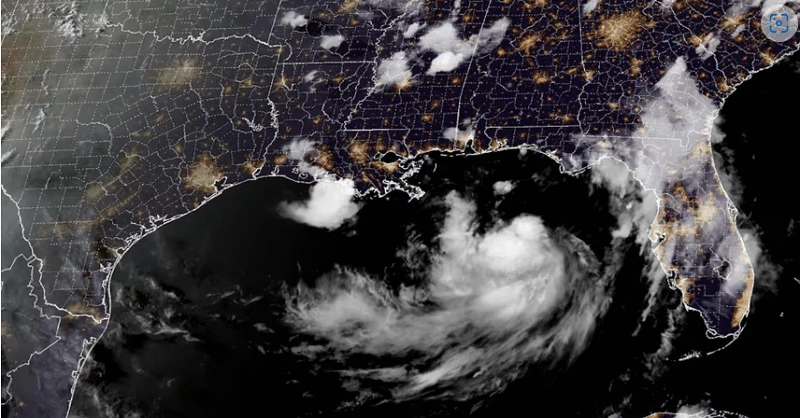
Tropical Storm Bertha has intensified over the Gulf of Mexico and is slowly and unpredictably advancing toward the northern coast of the United States. The National Hurricane Center is closely monitoring the storm's erratic movement, which makes it difficult to predict exactly where and when it will make landfall. Multiple regions along the U.S. coastline have been placed under tropical storm alerts as authorities urge residents to prepare. The storm's slow pace increases the risk of prolonged rainfall and potential flooding in affected areas. While Aruba itself is not in the storm's direct path, regional awareness remains high given the Caribbean's vulnerability during hurricane season. Residents and travelers are advised to monitor official updates as Bertha's track continues to evolve.
Aruba's meteorological service has issued a weather forecast valid through Tuesday, July 21, 2026 at 6:00 PM local time. Conditions are expected to be partly cloudy with no significant rainfall anticipated across the island. Winds will be moderate with occasional gusts, typical of trade wind patterns in the southern Caribbean during this period. The forecast suggests generally pleasant conditions with manageable cloud cover, posing no major disruptions to daily activities or tourism. Residents and visitors can expect the usual warm Caribbean temperatures with intermittent sunshine throughout the forecast period.
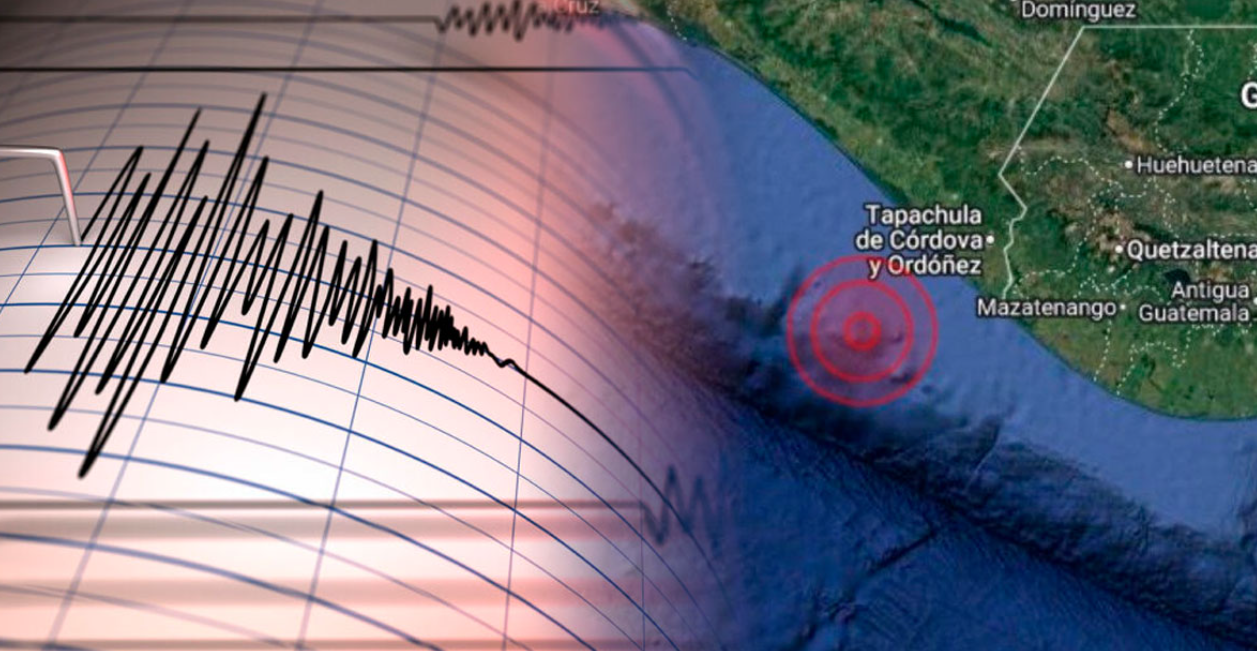
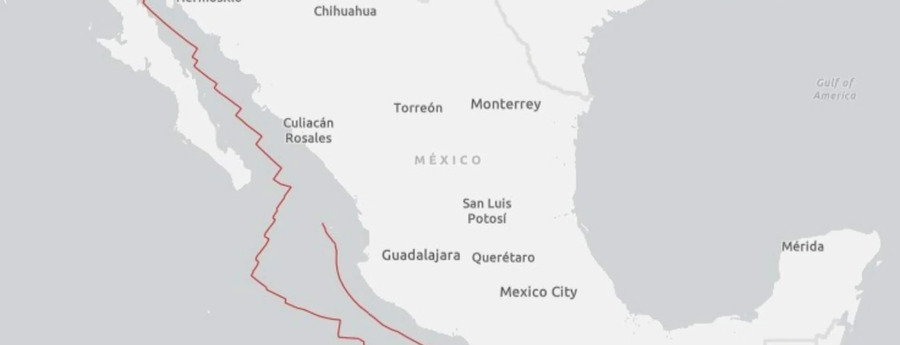
A powerful 7.4 magnitude earthquake struck southern Mexico early Friday morning, with its epicenter located southwest of the city of Hidalgo in the state of Chiapas, near the border with Guatemala. The quake, which hit in the early morning hours, was centered in one of Mexico's most seismically active regions. Chiapas sits along a major fault zone where the Cocos tectonic plate subducts beneath the North American plate, making large earthquakes a recurring threat. The tremor was strong enough to be felt across a wide area, raising immediate concerns about potential damage to infrastructure, homes, and public safety. Authorities and emergency services were expected to assess the impact, particularly in rural and border communities that are often more vulnerable to seismic events. No immediate casualty figures or damage reports were included in early coverage, but earthquakes of this magnitude typically prompt evacuations and emergency response mobilizations.
Two powerful earthquakes struck southern Mexico on Friday, sending tremors across neighboring Guatemala and El Salvador. The seismic events were measured by the United States Geological Survey (USGS), which monitors earthquake activity globally. The region of southern Mexico is situated along active tectonic fault lines, making it particularly vulnerable to seismic events. Both Guatemala and El Salvador felt the impact of the quakes, raising immediate concerns about potential damage and public safety in those countries. Authorities in the affected nations were monitoring the situation for casualties and structural damage following the shaking. The report was published by Aruba-based outlet Mas Noticia as part of its international news coverage.
A powerful 7.4 magnitude earthquake struck the southwestern coast of Mexico, according to the United States Geological Survey (USGS). The epicenter was located at a shallow depth of 10 kilometers, which typically increases the potential for surface damage and tsunami generation. Authorities issued a tsunami warning following the quake, raising alarm for coastal communities in the affected region. Shallow earthquakes of this magnitude along coastal zones are considered particularly dangerous due to their ability to displace large volumes of ocean water. The event is being closely monitored by regional disaster management agencies. While the article originates from Aruba-based outlet Noticia Cla, the story reflects the broader Caribbean and Latin American community's attention to seismic events in the region given shared geographic vulnerability.
Aruba's meteorological service has issued a weather forecast valid through 6:00 PM on Friday, July 10, 2026. Conditions for this afternoon and tonight are expected to be slightly to partly cloudy, with the possibility of isolated passing showers. The forecast suggests typical Caribbean trade wind weather patterns for the island during this period. Residents and visitors can expect generally manageable conditions, though brief rain spells may occur. Those with outdoor plans are advised to be aware of the chance of passing showers but should not expect significant disruption to daily activities.
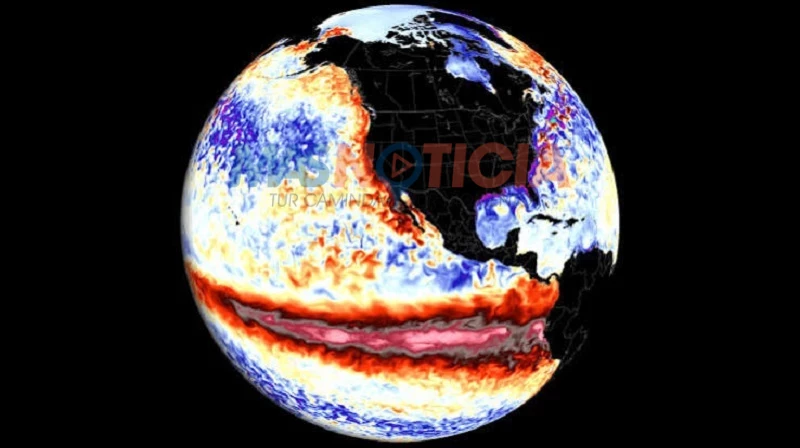
The Director of Aruba's Department of Nature and Environment (DNM), Gisbert Boekhoudt, has shared important information regarding the anticipated development of an El Niño weather phenomenon for the 2026/2027 period. DNM is actively monitoring the potential emergence of what could be a 'Super El Niño,' a particularly intense version of the cyclical climate pattern that warms Pacific Ocean surface temperatures and disrupts weather systems globally. Aruba, like other Caribbean islands, faces heightened risks from El Niño events, including prolonged drought conditions, reduced rainfall, increased temperatures, and stress on local ecosystems such as coral reefs. The department's early monitoring efforts are aimed at assessing the potential impact on both Aruba's natural environment and its communities before the phenomenon fully develops. Authorities are tracking the situation to allow time for preventative planning and public awareness ahead of the projected cycle. El Niño events have historically caused significant environmental and economic disruption in the Caribbean, making early monitoring critical for small island nations like Aruba.
Aruba's latest weather forecast covers the period through Saturday, July 4, 2026, at 6:00 PM local time. Conditions are expected to be partly cloudy throughout the forecast period. Residents and visitors should be aware of a chance of brief rain showers, particularly during the early morning and overnight hours. The showers are not expected to be severe or prolonged, making for generally manageable weather across the island. This type of pattern is typical for Aruba during the summer months, when overnight and morning moisture can produce isolated showers. Outdoor activities and tourism should remain largely unaffected, though light rain gear may be advisable for early risers. No warnings or alerts were indicated in the forecast.
Aruba's latest weather forecast, valid through Friday, July 3, 2026, calls for partly cloudy skies with no significant rainfall expected. Winds will be moderate, with occasional strong gusts anticipated throughout the period. The forecast suggests generally pleasant conditions typical of the island's dry climate, though residents and visitors should be aware of the intermittent wind gusts. No severe weather warnings or precipitation advisories are included in this outlook. For an island heavily dependent on tourism and outdoor activities, the mild forecast supports normal daily operations across beaches, watersports, and travel. The absence of meaningful rain also continues a pattern common to Aruba's arid weather profile.
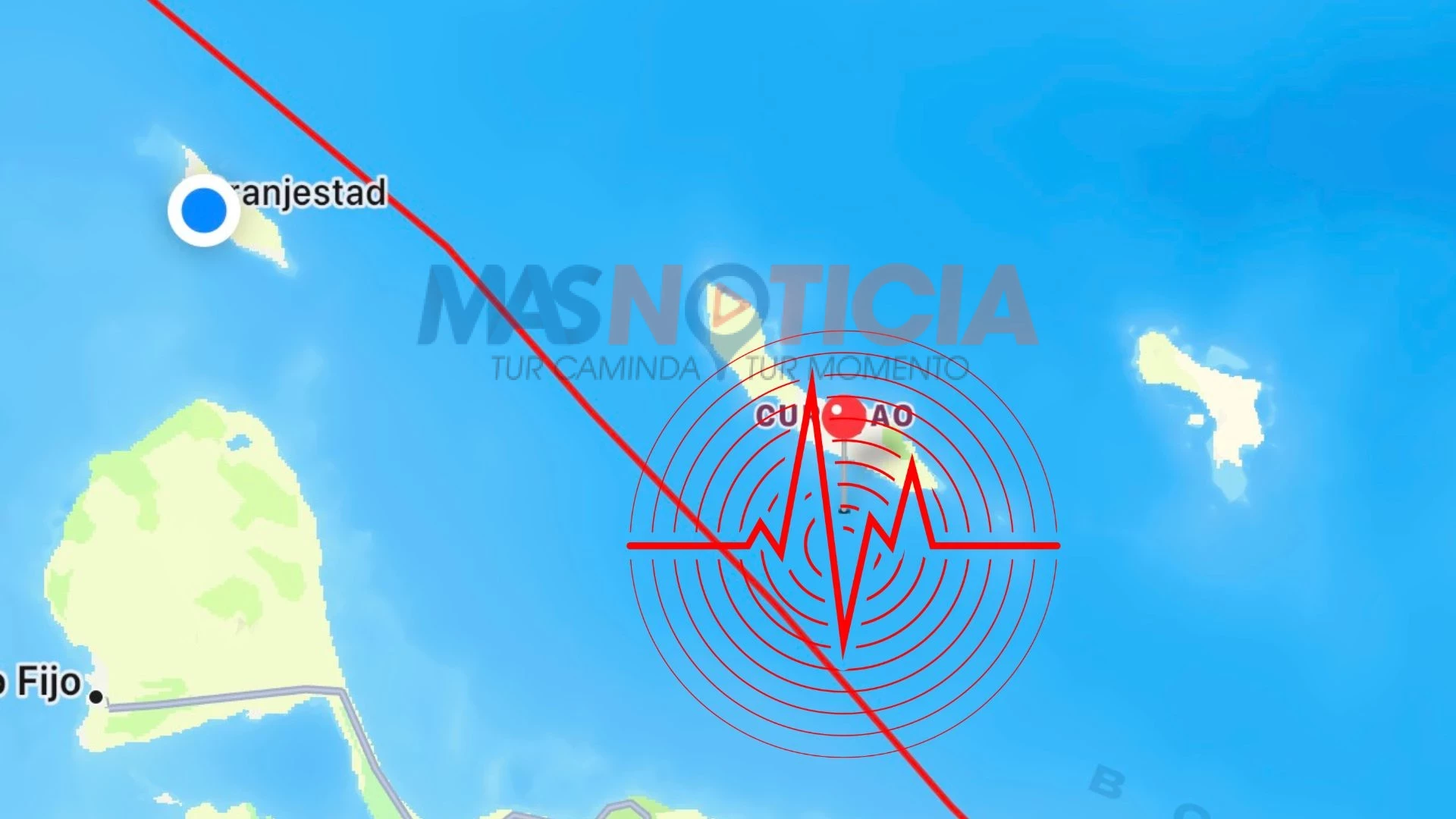
A minor earthquake with a magnitude of 2.6 was recorded south of Curaçao on Wednesday morning at 7:47 a.m. local time. The tremor originated approximately 5 kilometers below the surface, classifying it as a shallow earthquake. The epicenter was located offshore, south of Curaçao's coastline. While no damage or injuries have been reported, shallow earthquakes can sometimes be felt more intensely at the surface than deeper ones of similar magnitude. The Caribbean region sits in a seismically active zone, making small tremors relatively common occurrences. Residents of Aruba and neighboring islands are occasionally affected by seismic activity originating in nearby waters.
The Aruban meteorological authority has issued a weather forecast valid through Thursday, July 2, 2026, at 6:00 PM local time. Conditions are expected to be partly to lightly cloudy with no significant rainfall anticipated. Winds are forecast to be moderate, consistent with typical trade wind patterns in the region. The forecast suggests generally pleasant conditions for residents and visitors on the island. No weather warnings or alerts appear to be associated with this forecast period. Such routine forecasts are important for tourism planning, outdoor activities, and maritime operations around Aruba.
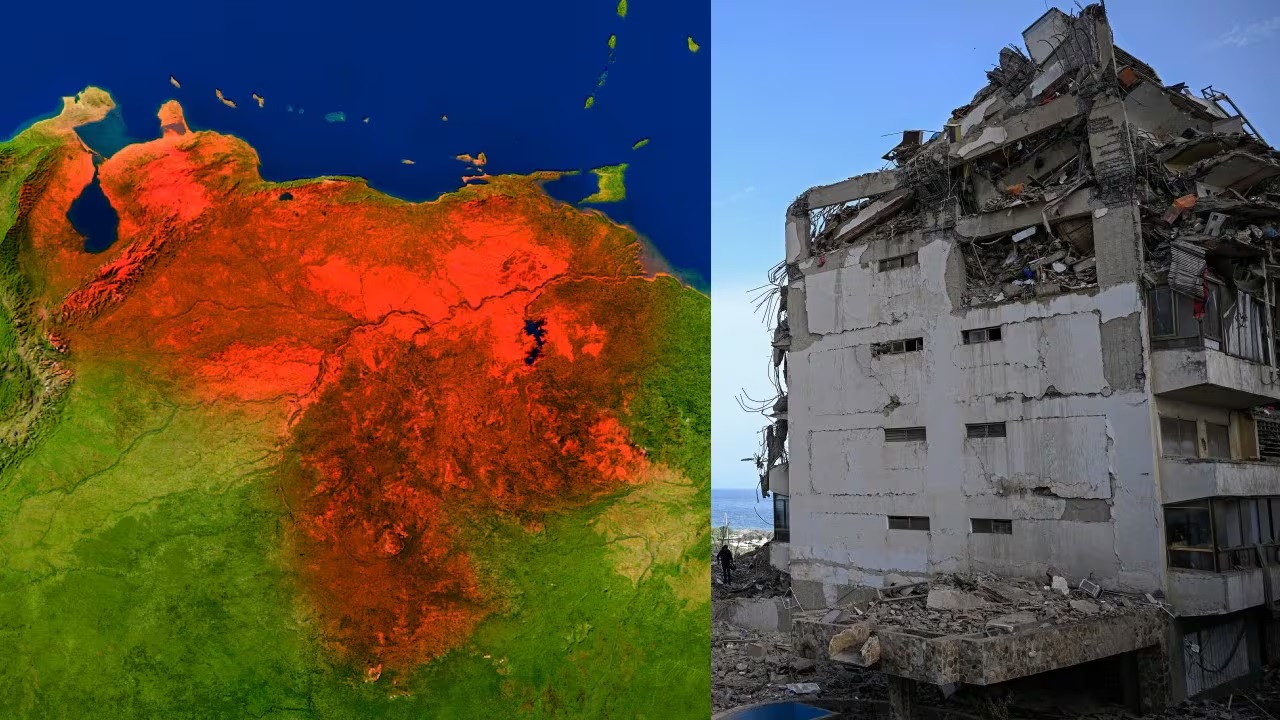
Seismologist Marcos Bislip has warned that a double earthquake event has activated a fault line in the region surrounding Aruba, triggering heightened concern among residents and officials. According to Bislip, this marks the first time in both this century and the previous one that the region has experienced such a high level of seismic activity. The series of tremors has raised alarms about the potential for further seismic events in an area not historically known for frequent earthquake activity. The unusual intensity and frequency of the seismic movement has prompted experts to pay close attention to ongoing geological shifts in the region. Residents are being urged to remain alert as authorities and scientists continue to monitor the situation closely.
A tropical wave brought heavy rainfall to Aruba's northern coast, prompting the island's meteorological department to issue a yellow alert for flash flooding. The alert was issued overnight as conditions deteriorated due to the passing weather system. Residents and visitors in the affected coastal areas were urged to remain cautious and avoid low-lying or flood-prone zones. Flash flooding poses immediate risks to roadways, drainage systems, and properties in areas with limited runoff capacity. Aruba's northern coast can be particularly vulnerable to rapid water accumulation during intense rainfall events. Authorities indicated that conditions are expected to improve by tomorrow afternoon, suggesting the disruption will be relatively short-lived. No injuries or major structural damage were immediately reported in connection with the event.
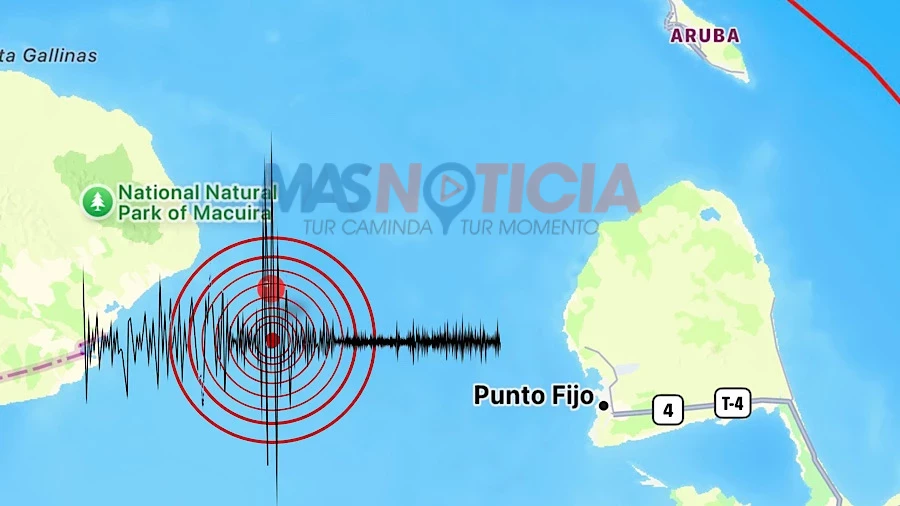
A moderate 4.2 magnitude earthquake was recorded on Sunday, June 28, 2026, at 9:39 p.m. local time near the Guajira Peninsula and south of the Monjes Islands, located in the vicinity of Aruba. The Monjes Islands are a small Venezuelan archipelago situated relatively close to Aruba's southern maritime zone. The earthquake was classified as moderate in strength, meaning it was capable of being felt by residents in the surrounding region, including potentially on Aruba itself. Seismic activity in this part of the southern Caribbean is not uncommon given the area's proximity to tectonic fault systems near the South American continental plate. No immediate reports of damage or injuries were included in the initial report. Authorities and residents in Aruba are typically advised to remain alert following tremors of this magnitude registered in neighboring zones.
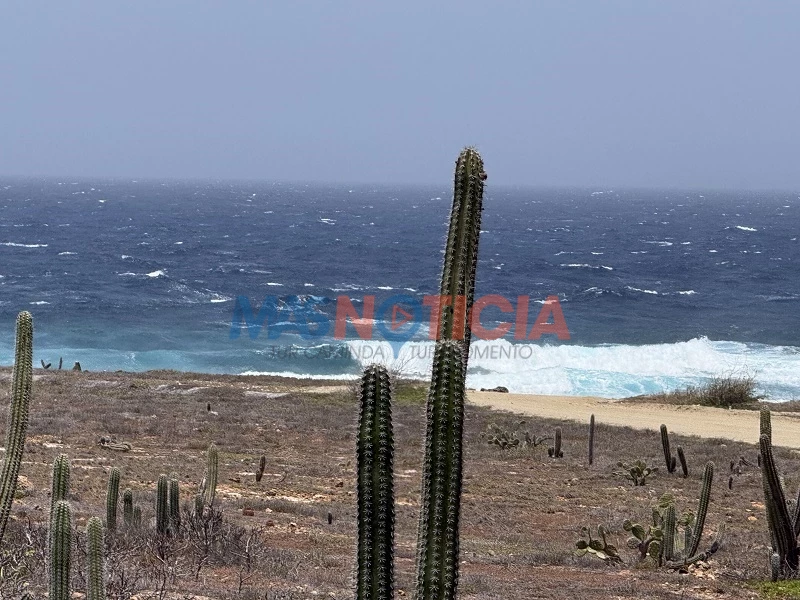
Aruba's meteorological service has issued a weather forecast valid through Monday, June 29, 2026, at 6:00 PM local time. For this afternoon and tonight, conditions are expected to be partly to mostly cloudy but generally dry, offering residents and visitors a relatively calm evening. The forecast suggests no significant rainfall is anticipated during the covered period, which is favorable for outdoor activities and tourism. Partly cloudy skies are typical for Aruba during this time of year, as the island sits outside the main hurricane belt and generally experiences stable trade wind conditions. Residents and travelers should stay tuned for updated forecasts as the period progresses.

Venezuela is receiving emergency aid and support from 24 countries following a catastrophic disaster that has killed at least 1,430 people. The scale of the tragedy marks it as one of the deadliest recent disasters in the Caribbean region. International solidarity has mobilized quickly, with dozens of nations stepping in to provide humanitarian assistance. The death toll continues to underscore the severity of the catastrophe and the overwhelming strain on Venezuela's own emergency response capacity. As a neighboring island, Aruba is closely monitoring the situation given its geographic and cultural proximity to Venezuela. The disaster's full scope, including the number of missing or displaced persons, may be even greater than current figures reflect. Aid coordination among 24 countries signals the widespread recognition of Venezuela's urgent need for outside support.