Hotel RIU Palace Aruba Unveils Major Renovation
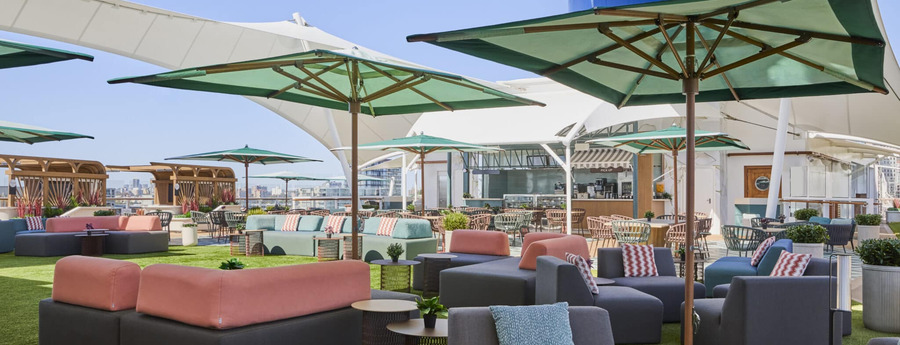
- Hotel RIU Palace Aruba has completed a major renovation and unveiled a new look.
- The property is operated by RIU Hotels & Resorts, a major Spanish all-inclusive hotel chain.


Hotel RIU Palace Aruba has undergone a significant transformation, emerging with a fresh new look following a major renovation project. The property, one of Aruba's prominent all-inclusive resorts, has updated its facilities and aesthetics to enhance the guest experience. RIU Hotels & Resorts, the Spanish hotel chain operating the property, has invested in modernizing the resort to remain competitive in the Caribbean luxury travel market. The renovation is expected to attract both returning guests eager to see the changes and new visitors drawn by the upgraded offerings. Aruba's tourism sector continues to be a cornerstone of the island's economy, making high-profile hotel upgrades particularly significant. The refreshed RIU Palace adds to Aruba's appeal as a premier Caribbean destination, especially as the island competes for upscale travelers in a rebounding post-pandemic tourism landscape.
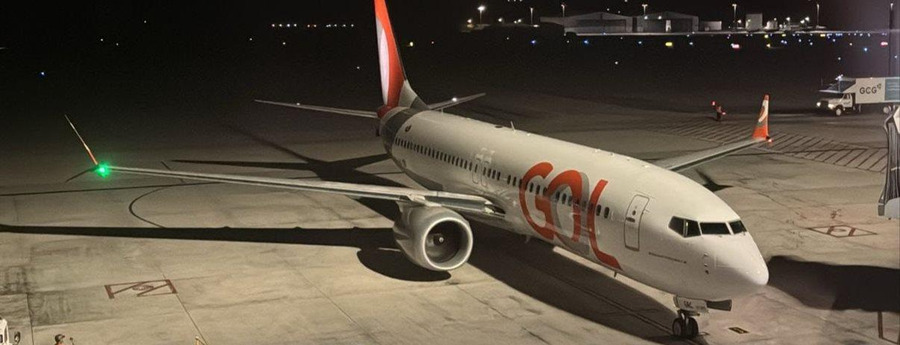
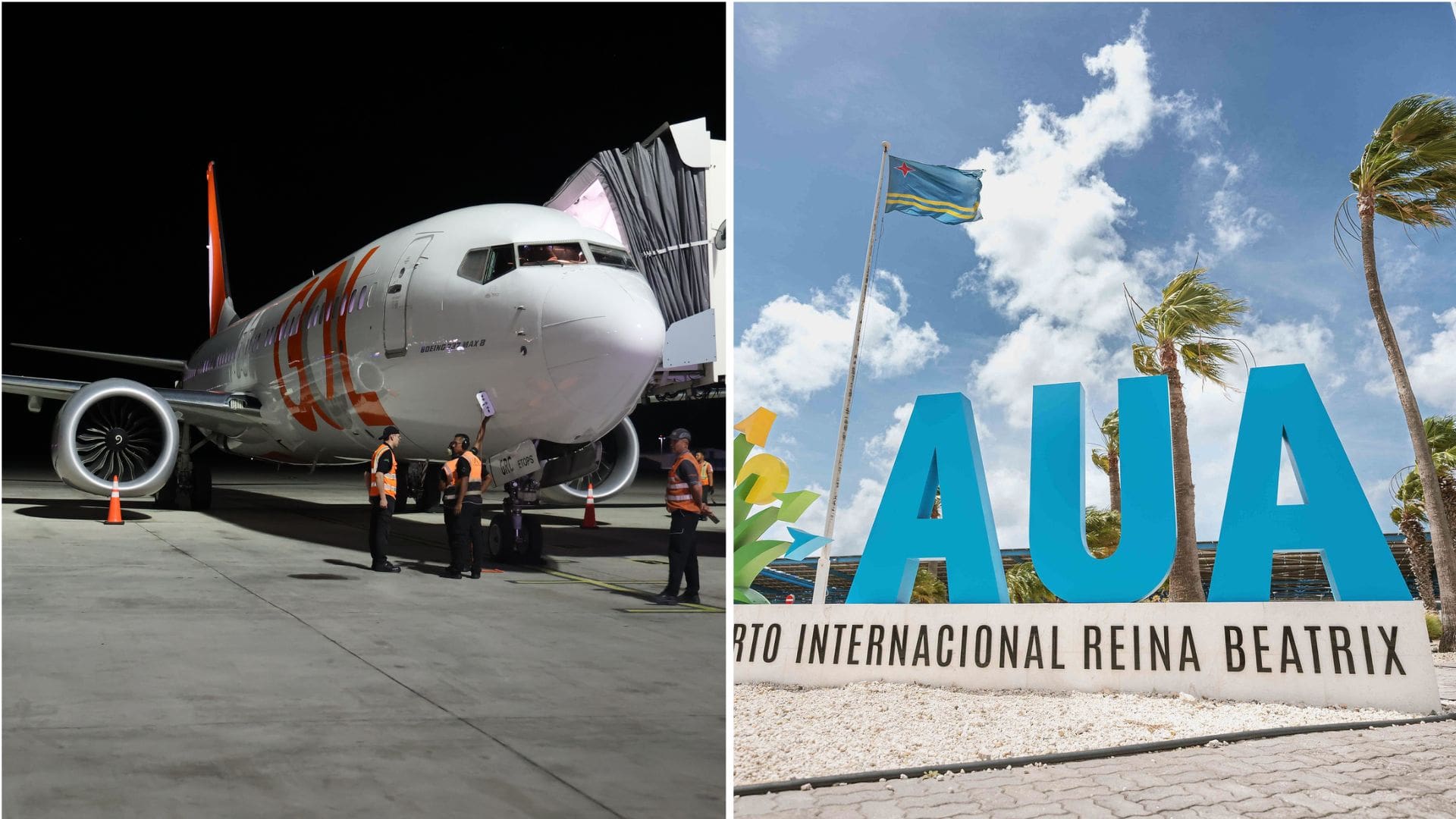
The Aruba Airport Authority (AAA) and the Aruba Tourism Authority (ATA) have jointly announced that Brazilian carrier GOL Linhas Aéreas will be discontinuing its non-stop service between Brazil and Aruba. The final scheduled flight will mark the end of a direct air link that connected Aruba to one of its key South American source markets. The announcement was made jointly by both aviation and tourism authorities, signaling the significance of the route's loss for the island's travel economy. Brazil has been an important feeder market for Aruba tourism, and the elimination of non-stop service is expected to make travel between the two destinations less convenient and potentially more expensive for passengers. GOL has been facing significant financial pressures in recent months, which likely contributed to the route suspension. Aruba's tourism and airport authorities have not yet announced whether a replacement carrier or alternative service is being pursued. The development represents a setback for Aruba's efforts to maintain and grow its South American visitor base.

Brazilian carrier GOL Linhas Aéreas has announced it will discontinue its direct service between São Paulo, Brazil, and Aruba in October 2026. The announcement was made jointly by the Aruba Airport Authority (AAA) and the Aruba Tourism Authority. The route had provided a key air link between Aruba and one of Latin America's largest travel markets. The discontinuation represents a notable loss for Aruba's tourism sector, as Brazilian visitors have been an important demographic for the island. GOL has been navigating significant financial difficulties in recent months, having filed for Chapter 11 bankruptcy protection in the United States in late 2024, which has led to widespread route cuts across its network. The loss of the direct São Paulo connection could reduce Brazilian tourist arrivals to Aruba unless another carrier steps in to fill the gap. Aruba's tourism and airport authorities are expected to work on attracting alternative service on the route.
A tourist was injured Thursday afternoon when a UTV (utility terrain vehicle) overturned on the road leading to Natural Bridge, one of Aruba's well-known natural landmarks. Authorities were notified around midday and immediately dispatched a patrol unit from Santa Cruz as well as an ambulance to the scene. The incident highlights ongoing safety concerns surrounding off-road vehicle rentals and tours, which are popular activities among visitors to the island. UTV and ATV excursions are widely available to tourists in Aruba and are frequently used to explore rugged, off-road terrain. The extent of the tourist's injuries has not been specified in the initial report. Emergency responders arrived promptly to provide assistance at the scene.

Aruba Airport Authority (AAA) and the Aruba Tourism Authority (ATA) have jointly announced that Brazilian carrier GOL Linhas Aéreas will be discontinuing its nonstop service between Brazil and Aruba. The route's final scheduled flight has been confirmed, marking the end of direct air connectivity between the two destinations. GOL was one of the key carriers linking Aruba to the South American market, making the Brazilian traveler segment an important source of tourism revenue for the island. The loss of this nonstop service could impact tourist arrivals from Brazil and may require travelers to seek connecting flights through third-country hubs. Both AAA and ATA acknowledged the development, suggesting they are aware of the implications for Aruba's airlift capacity and tourism sector. No replacement carrier or route has been announced at this time. The decision is consistent with broader financial challenges facing GOL Airlines, which has been restructuring its operations.

A tourist was involved in a UTV rollover accident on Thursday afternoon on the road leading to Natural Bridge, one of Aruba's popular natural landmarks. Authorities received the report around midday, indicating that the tourist overturned the utility terrain vehicle, resulting in injuries. UTV rentals are a common activity among visitors to Aruba, used to explore off-road and scenic routes across the island. The road to Natural Bridge is a frequently traveled tourist route, making accidents there a concern for both visitor safety and local emergency services. The injured parties required assistance following the incident, though the severity of the injuries has not been fully detailed in the initial report. This incident highlights ongoing safety considerations surrounding UTV rentals and their use on Aruba's rural and unpaved roads.
A small, adults-only retreat in Aruba is drawing attention for offering a distinctly different kind of Caribbean vacation experience. The property features just three private casitas, giving guests an intimate and secluded stay far from the island's busy resort strip. Set against Aruba's rugged desert landscape, the retreat leans into the island's lesser-known arid terrain rather than its famous beaches. The adults-only policy ensures a quiet, relaxed atmosphere suited for couples or travelers seeking solitude. The property is being described as a 'secret,' suggesting it operates on a boutique, low-profile basis without mass-market visibility. Its appeal lies in the contrast it offers to Aruba's typical high-rise hotel and casino tourism model. The retreat represents a growing niche in Caribbean travel — small-scale, nature-immersive accommodations targeting discerning adult travelers.

Aruba Airport Authority (AAA) and Aruba Tourism Authority (ATA) have jointly announced that Brazilian carrier GOL Linhas Aéreas will be discontinuing its non-stop scheduled service to Aruba. The announcement was made in Oranjestad and signals the end of a direct air link between Brazil and Aruba. GOL has been facing significant financial difficulties in recent months, having filed for Chapter 11 bankruptcy protection in the United States in early 2024, which has led the airline to cut routes across its network. The loss of this service is a notable blow to Aruba's tourism sector, as Brazil represents an important source market for the island. Both AAA and ATA are expected to work toward securing alternative air connections to compensate for the loss of Brazilian airlift. The discontinuation underscores the broader vulnerability of small island destinations to the financial instability of international airline partners.

Iberostar Aruba is spearheading a collaborative initiative with several local hospitality sector partners aimed at reducing organic waste across the island. The alliance is focused on advancing circular economy principles, meaning materials and resources are reused or repurposed rather than discarded. The effort reflects a growing trend among Caribbean resorts to take measurable action on sustainability and environmental responsibility. By partnering with local businesses, Iberostar is working to create an interconnected system where organic waste generated by hotels and restaurants is redirected for productive use. The initiative is particularly significant for Aruba, an island with limited land and resources, where waste management poses a long-term environmental challenge. The collaboration signals a shift in the hospitality industry toward shared sustainability goals rather than isolated, individual efforts.
Aruba is facing intensifying competition in the Canadian tourism market after the Bahamas surpassed Aruba and other Caribbean destinations in growth of visitor arrivals from Canada. The development signals a shift in Canadian traveler preferences within the Caribbean region, with the Bahamas gaining a competitive edge. Canada is a key source market for Aruba, making this trend a notable concern for the island's tourism sector. The loss of ground to the Bahamas underscores the broader battle among Caribbean destinations to attract North American visitors. Aruba's tourism authorities will likely need to reassess marketing strategies and travel incentives aimed at Canadian travelers to recover their competitive standing.

Iberostar, the international hotel chain, is collaborating with local partners in Aruba to develop circular economy solutions for organic waste management. The initiative is part of a broader commitment by the hospitality sector to reduce waste and protect Aruba's natural environment. By working alongside local stakeholders, Iberostar aims to close the loop on organic waste generated by its resort operations on the island. The partnership reflects a growing trend in Caribbean tourism where large hotel brands are taking measurable steps toward environmental sustainability. Circular economy approaches to organic waste — such as composting or biogas production — can significantly reduce landfill pressure, which is a pressing concern for small island destinations like Aruba. The collaboration also creates opportunities for local businesses to participate in and benefit from sustainable waste management supply chains. No specific timeline or quantitative waste reduction targets were mentioned in the initial announcement.
Canadian tourism across the Caribbean reached a record 12.5 million visitors in 2026, according to reporting by Nomad Lawyer. Among the top Caribbean destinations for Canadians, the Bahamas emerged as the leading choice, outperforming both Aruba and Jamaica in visitor numbers. Aruba, a perennial favorite among Canadian travelers due to its proximity, stable weather, and tourism infrastructure, placed behind the Bahamas in this latest ranking. The milestone underscores the continued strength of Canadian outbound travel to the Caribbean region, driven by demand for warm-weather escapes. For Aruba, the ranking signals competitive pressure from other island destinations as they vie for a larger share of the lucrative Canadian market. The figures highlight the importance of sustained tourism marketing and product development for islands seeking to attract and retain Canadian visitors. No specific breakdown of Aruba's individual Canadian arrival numbers was provided in the excerpt.

On Monday, a driver got a scare when a wheel broke off a UTV (Utility Task Vehicle) while operating during a guided tour near Boca Wariruri on the northeastern coast of Aruba. The incident occurred while the vehicle was in motion, causing alarm for those involved. Fortunately, no injuries were reported as a result of the mechanical failure. Boca Wariruri is a popular off-road and nature tour destination on Aruba's rugged northern coastline, frequently visited by tourists on UTV and jeep excursions. The incident highlights potential safety concerns around vehicle maintenance standards for tour operators using off-road vehicles. Authorities and tour operators have not yet issued a formal statement regarding the cause of the wheel failure or any follow-up inspections.
The Bahamas has surpassed Aruba, Barbados, Jamaica, the Dominican Republic, and all other Caribbean destinations as the top choice for Canadian tourists, according to new travel data. The surge is driven by record visitor growth from Canada, stronger air connectivity between Canadian cities and Caribbean hubs, rising luxury travel demand, and a growing trend toward longer-stay holidays. The Bahamas' rise to the top signals a shift in Canadian travel preferences across the region. For Aruba, which has historically relied heavily on North American visitors, the development represents a competitive challenge in one of its key source markets. The trend underscores the importance of air access and premium tourism offerings in attracting the high-value Canadian traveler segment. Caribbean destinations now face increasing pressure to differentiate their offerings to capture a larger share of this growing market.

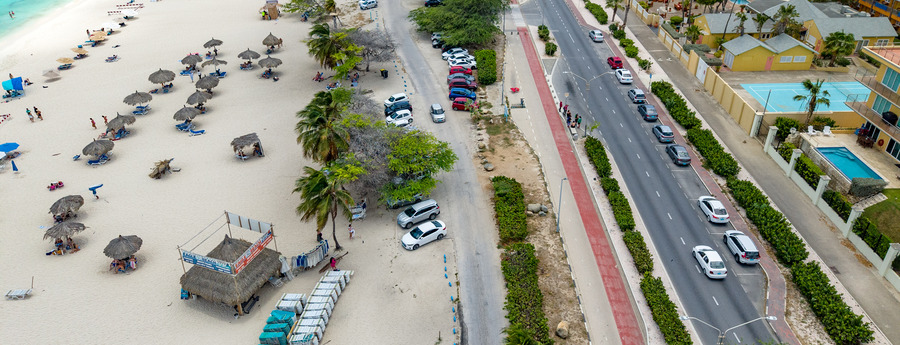
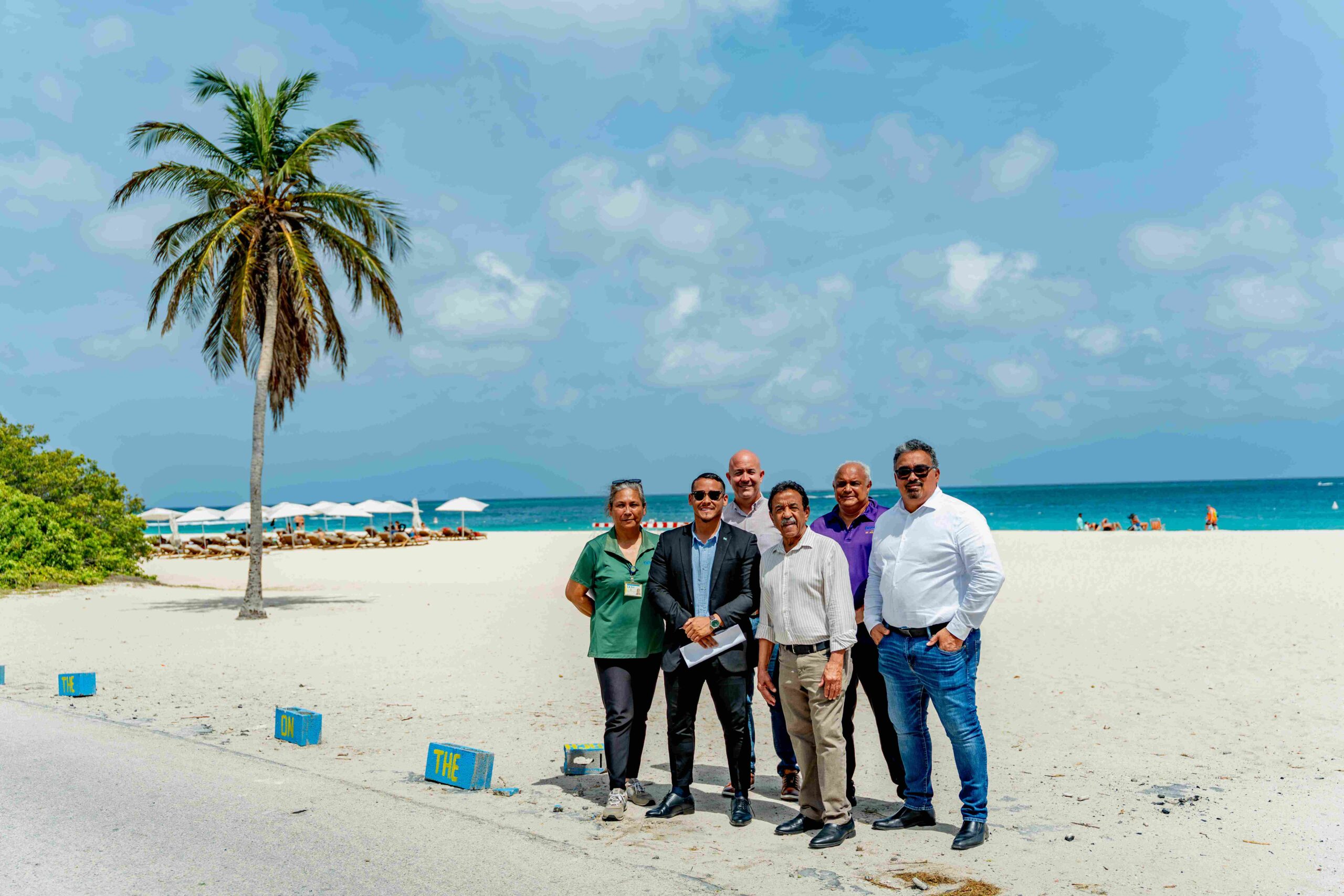
The Aruban government has announced that the final phase of the Eagle Beach beautification project will begin soon. The project carries an investment of approximately 5 million Aruban florins and is focused on improving and protecting the beach area. Eagle Beach is one of Aruba's most celebrated stretches of coastline and a major draw for international tourism. The beautification effort is part of a broader government initiative to enhance public spaces and maintain the island's appeal as a top Caribbean destination. The final phase signals the nearing completion of a multi-stage development effort that has been underway at the beach. Improvements are expected to benefit both residents and tourists who frequent the area. No specific timeline for completion was provided in the announcement.

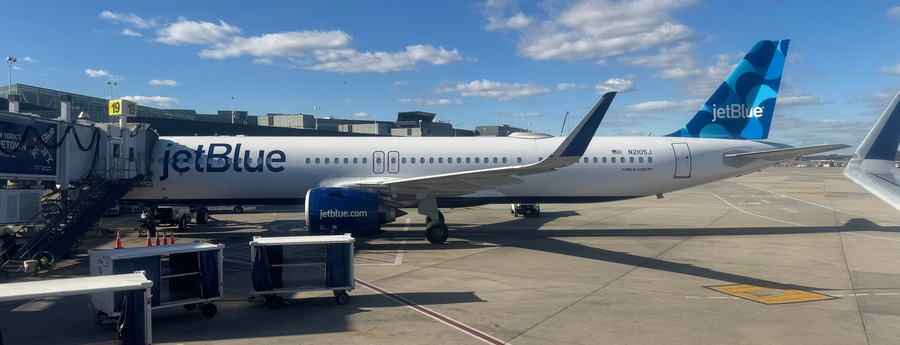
JetBlue Airways has won a bankruptcy auction to acquire Spirit Airlines' flight slots at LaGuardia Airport (LGA) in New York for $58.5 million. The purchase expands JetBlue's operational footprint at one of New York's busiest airports, giving the airline greater scheduling capacity and reach. LaGuardia serves as a key gateway for Caribbean-bound travelers, making any expansion there significant for islands like Aruba that depend heavily on the U.S. tourism market. JetBlue already operates routes between New York and Aruba, and an increased presence at LGA could translate into more frequent or expanded service to the island. The acquisition comes as Spirit Airlines continues to navigate financial collapse, with its assets being redistributed across the industry. For Aruba's tourism sector, stronger JetBlue positioning in New York represents a potential boost in airlift capacity from one of its most important source markets. No specific new Aruba routes have been announced yet, but industry observers are watching closely for follow-on service developments.
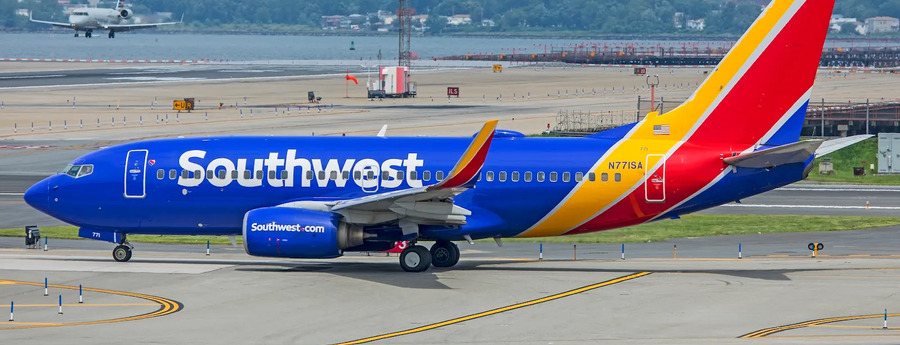
Southwest Airlines has announced a major expansion of its Caribbean route network, adding new nonstop flights to Aruba, Jamaica, St. Thomas, and Punta Cana from multiple U.S. cities. The move is part of a broader acceleration in U.S. outbound travel demand, with airlines responding by increasing capacity to popular leisure destinations. Aruba stands to benefit significantly as improved air connectivity typically drives higher visitor arrivals and tourism revenue. The new routes will make Aruba more accessible to American travelers who previously faced layovers or limited flight options. Southwest's expansion signals growing consumer confidence in Caribbean travel and intensifying competition among U.S. carriers serving the region. For Aruba's tourism-dependent economy, direct lift from major U.S. markets is a critical driver of hotel occupancy, spending, and overall economic activity.

A tourist became ill Monday evening near a snack truck at Palm Beach, one of Aruba's most popular tourist areas. Authorities received the report that night and immediately dispatched an ambulance to the scene. The incident unfolded at the beachside location, though the exact cause of the tourist's sudden illness has not been disclosed in initial reports. Emergency responders arrived promptly to assess and attend to the affected individual. The identity and nationality of the tourist have not been released. The incident highlights the importance of having swift emergency response infrastructure in high-traffic tourist zones. No further details regarding the tourist's condition following treatment have been made available.

On Monday morning, Aruban Minister Wendrick Cicilia, joined by Minister René 'Baba' Herde and experts from the Department of Public Works (DOW), officially announced the launch of a beautification project for Eagle Beach. The initiative is aimed at strengthening Aruba's tourism product by enhancing one of the island's most iconic and internationally recognized beaches. Eagle Beach is consistently ranked among the best beaches in the Caribbean and the world, making its upkeep a strategic priority for the island's tourism-driven economy. The joint ministerial announcement signals a coordinated government effort involving both tourism and infrastructure portfolios. Further details about the scope, timeline, and budget of the project were expected to be shared as the initiative moves forward.

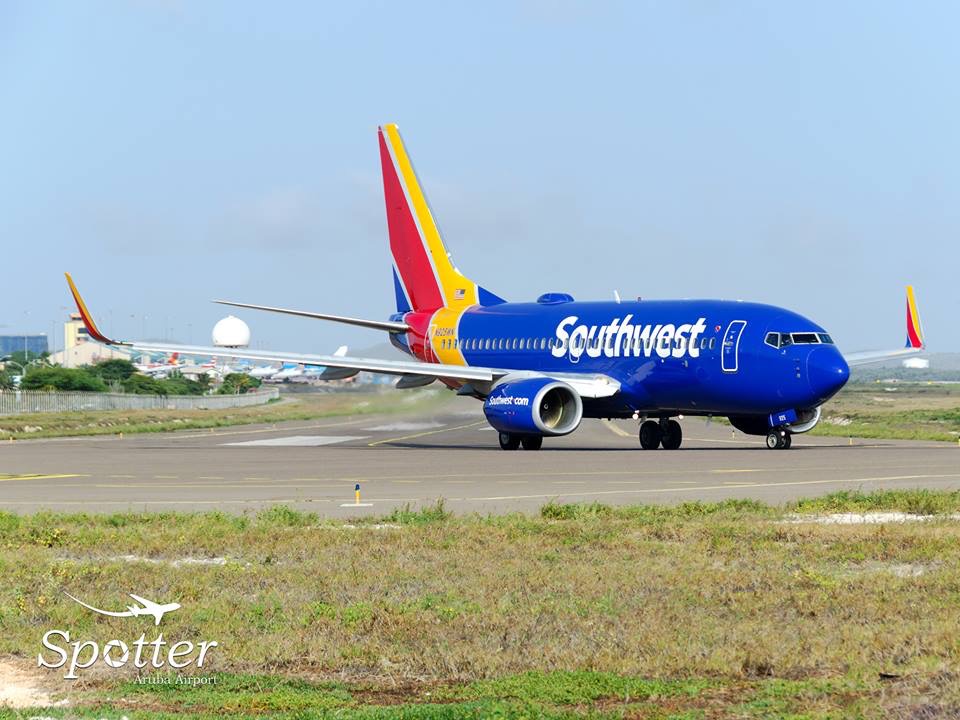
Southwest Airlines will begin direct service between Nashville, Tennessee, and Aruba starting in March 2027. The American carrier will operate the new route once a week, with flights scheduled on Saturdays. This marks a new air connection between the U.S. mid-South region and Aruba, expanding the island's reach into a market not currently served by direct flights. The addition of a Nashville route is significant for Aruba's tourism sector, as it opens access to a growing and affluent U.S. travel market. Saturday-only scheduling suggests the route is positioned primarily as a leisure and vacation offering. No further details about flight times or pricing were included in the announcement.

Dr. Earney Lasten has launched a new book focused on tourism, marking a notable contribution to the field from an Aruban perspective. The book represents an academic or professional exploration of tourism, a sector that is the backbone of Aruba's economy. Dr. Lasten's work is expected to offer insights relevant to the island's tourism industry and possibly the wider Caribbean region. The launch signals growing local scholarly engagement with the tourism sector, which accounts for the vast majority of Aruba's GDP and employment. Details on the specific content, publisher, and launch event location were not provided in the available excerpt. The publication could serve as a valuable resource for policymakers, tourism professionals, and students on the island. Further details on the book's themes and availability are expected to emerge as coverage of the launch continues.

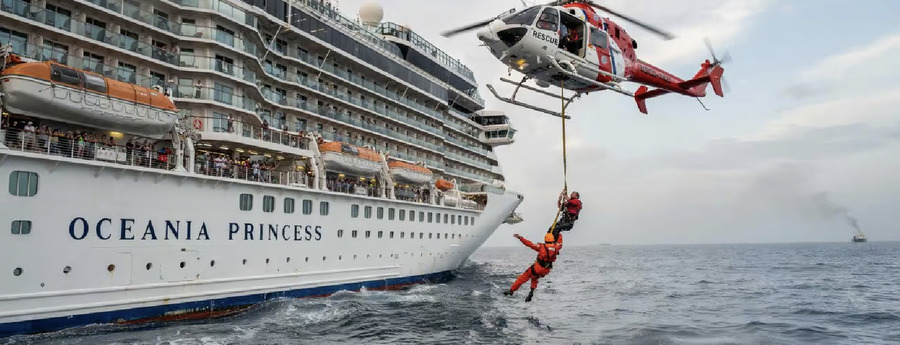
A medical rescue operation carried out by the Dutch Caribbean Coast Guard off the coast of Aruba has drawn significant attention from international media outlets. The incident involved a tourist who required emergency medical assistance at sea near Aruba. Multiple international publications picked up and reported on the story, bringing wider global visibility to the operation. The Dutch Caribbean Coast Guard responded to the situation, executing the rescue mission. The international coverage highlights both the operational reach of the Dutch Caribbean Coast Guard and Aruba's profile as a major tourist destination where visitor safety incidents can attract global press attention. Further details about the tourist's condition and nationality were not provided in the available excerpt.

Aruba has claimed the top spot on the Traveler Safety Index, ranking first among the 10 safest islands in the world for visitors with a near-perfect score of 98 out of 100. The international ranking highlights Aruba's strong safety record and its reputation as a secure destination for tourists. The recognition is significant for the island's tourism-dependent economy, as safety is a primary factor for travelers when choosing a destination. Aruba consistently markets itself as 'One Happy Island,' and this ranking reinforces that brand with measurable, data-backed credibility. The designation is expected to bolster tourism confidence and potentially attract more visitors seeking a safe Caribbean getaway.
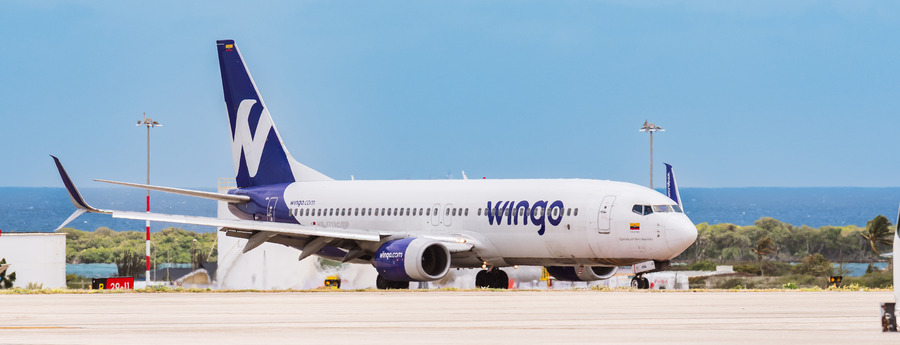
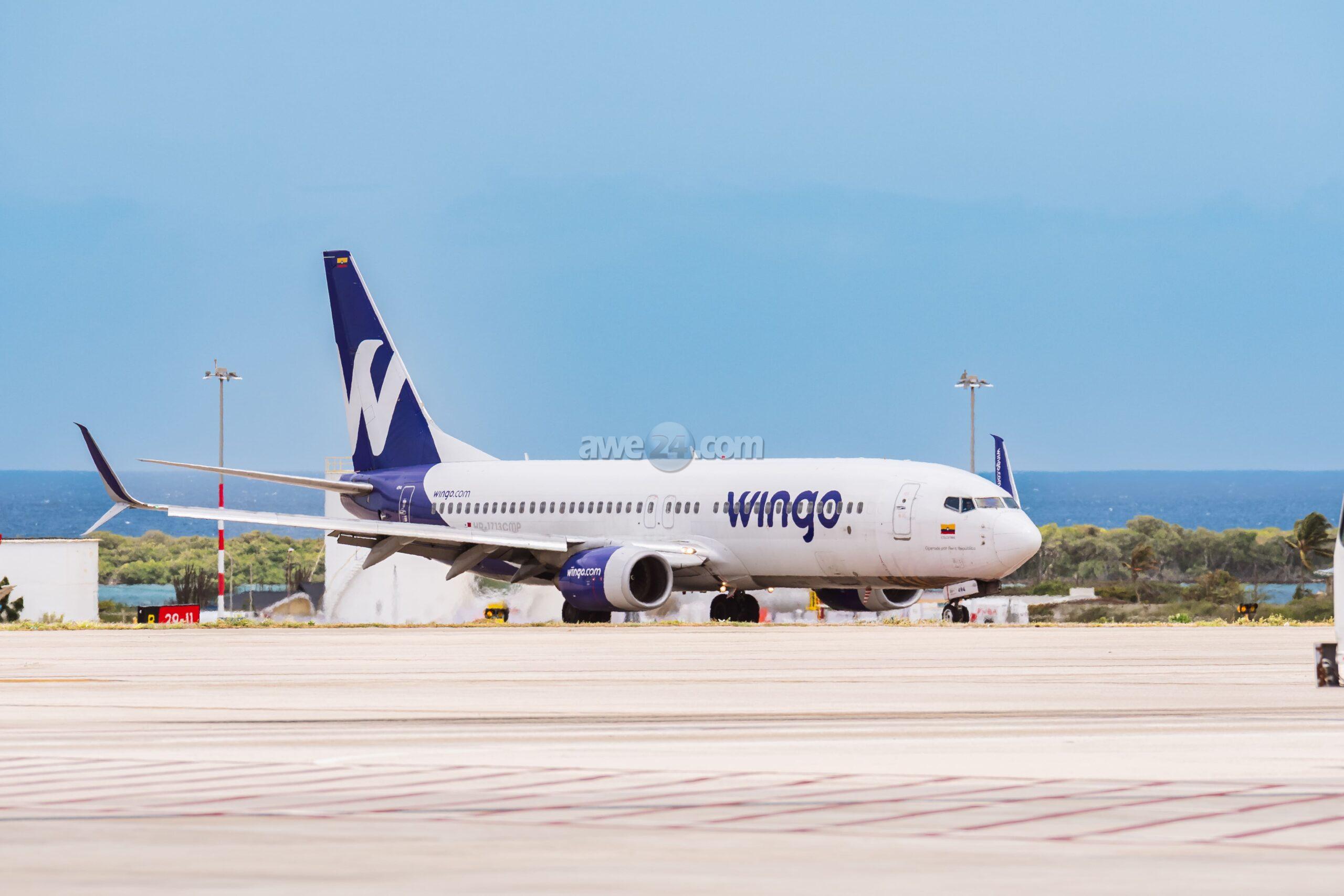
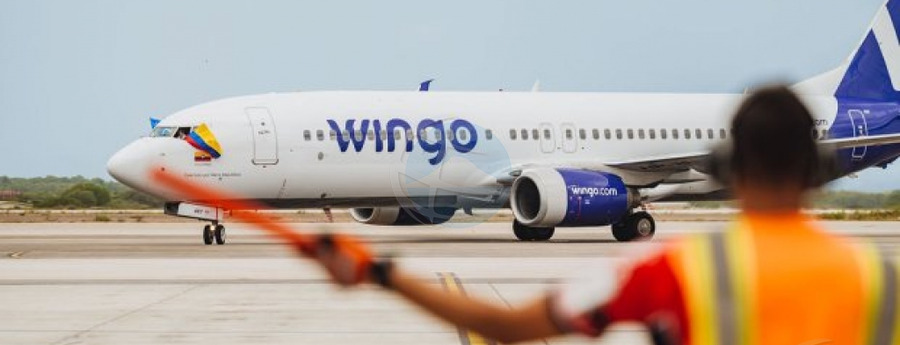
Colombian low-cost carrier Wingo has officially inaugurated a new direct air route connecting Barranquilla, Colombia, to Aruba. The launch marks a significant expansion of air connectivity between Colombia's Caribbean coast and the Dutch island. Wingo, a budget airline known for opening affordable routes across Latin America and the Caribbean, aims to boost travel demand between the two destinations. The new route is expected to increase tourist arrivals to Aruba from Colombia, one of the island's key source markets. Greater air access typically stimulates both tourism revenue and business travel. The inauguration represents a positive development for Aruba's tourism sector, which relies heavily on diverse international flight connections. No specific flight frequency or fare details were included in the initial announcement.
Travel publication The Points Guy has published a review of The Westerly, a dining or hospitality venue located within the Hilton Aruba Caribbean Resort & Casino. The Westerly is one of the property's featured food and beverage outlets, situated along Aruba's Palm Beach strip, one of the island's most popular tourist corridors. The Points Guy is a widely read travel and loyalty rewards publication, and its reviews carry significant influence among frequent travelers and hotel loyalty program members. A favorable review in this outlet can drive increased bookings and visibility for the property. The Hilton Aruba is a long-standing landmark resort on the island and a key player in Aruba's tourism economy. Coverage of this nature reinforces Aruba's profile as a premium Caribbean destination for international travelers. The full review details the guest experience, food quality, ambiance, and overall value of The Westerly.
A new global framework for planning, designing, financing, and developing world-class tourist attractions has been introduced, with ties to Aruba. The blueprint comes from Dr. Earney F., whose work draws on more than 30 years of research, university teaching, international consulting, and professional experience across tourism, hospitality, planning, technology, and destination development. The framework is aimed at guiding destinations and stakeholders in building attractions that meet international standards. Given Aruba's heavy reliance on tourism as its primary economic driver, such a tool carries significant relevance for the island's ongoing destination development strategies. The release represents a milestone in applying decades of academic and field expertise into a practical, actionable guide for the global tourism industry.
Aruba now requires all international travelers to complete an online Embarkation/Disembarkation (ED) card before arriving on the island. The digital form must be submitted in advance, and airlines have been instructed to enforce compliance by denying boarding to passengers who have not completed it. The policy applies to all visitors regardless of nationality or point of origin. Travelers who skip the form risk being turned away at the gate before their trip even begins. The ED card collects essential traveler information used by Aruban immigration and health authorities. The move is part of a broader effort to streamline border entry and improve pre-arrival data collection. Visitors are urged to complete the form well ahead of their departure date to avoid disruptions.
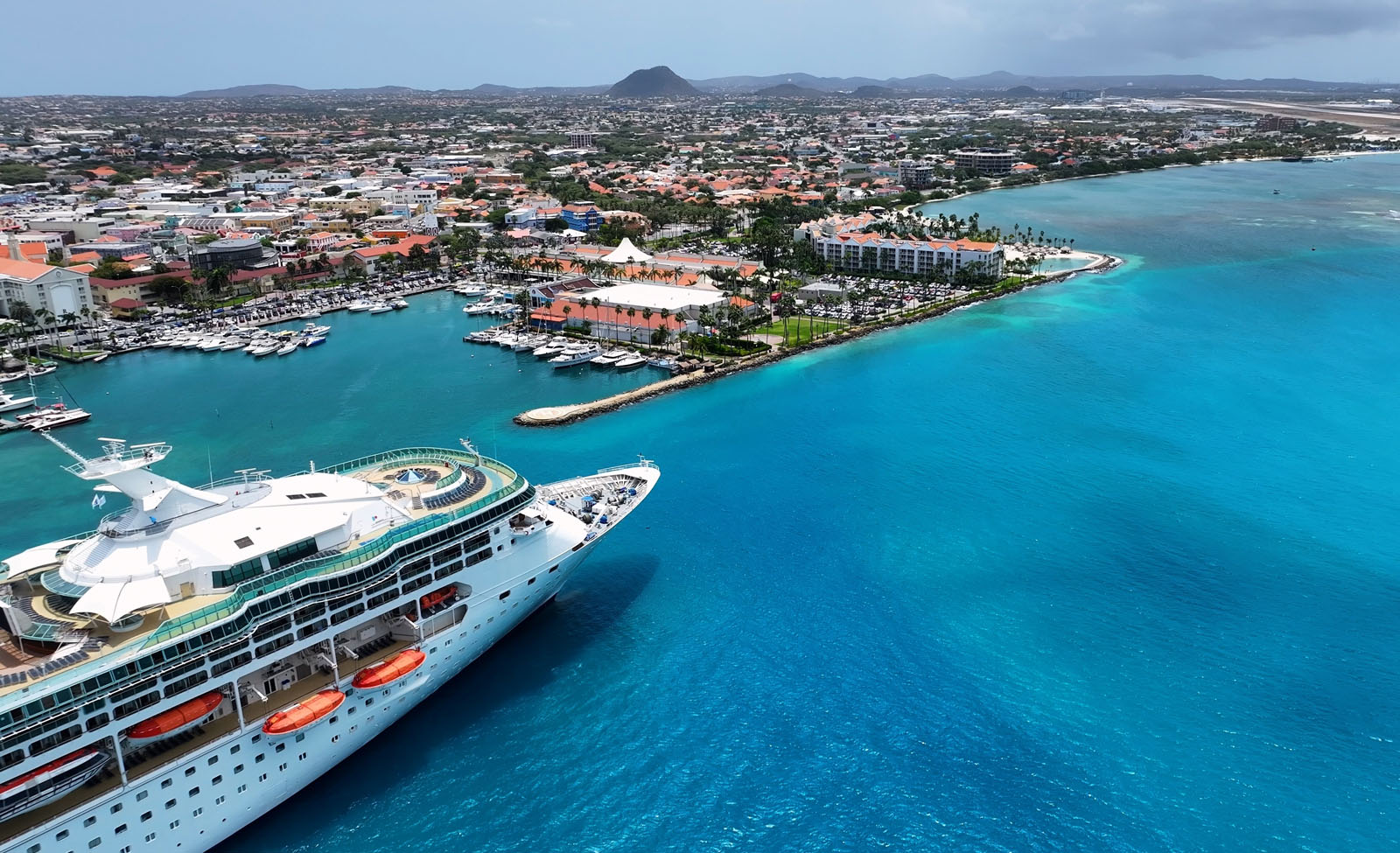
Oceania Cruises has announced an expanded 2026 Caribbean collection that includes Aruba alongside other popular destinations such as Mexico, Jamaica, and Barbados. The cruise line is positioning its 2026 season around boutique port experiences, culinary discovery, and premium ocean travel. Aruba's inclusion in the itinerary reflects the island's continued appeal as a top-tier Caribbean cruise destination. The expansion signals growing confidence in Caribbean cruise tourism heading into 2026, with Oceania targeting travelers seeking more refined, experience-driven voyages. For Aruba, the added cruise traffic represents a meaningful boost to the tourism economy, which remains the island's primary economic driver. Oceania Cruises is known for its smaller, upscale ships that emphasize destination immersion and food-focused programming.

Dr. Earney F. Lasten, an Aruban academic and tourism expert, has launched a new book titled 'The Experience Masterplan,' marking a significant milestone in Caribbean tourism scholarship. The work draws on more than 30 years of research, university teaching, international consulting, and professional experience in tourism, hospitality, planning, technology, and destination development. The book is described as revolutionary in its approach to tourism destination planning and experience design. Dr. Lasten's extensive background across multiple disciplines lends the work considerable academic and practical weight. The publication is expected to serve as a resource for tourism professionals, policymakers, and academics both in Aruba and internationally. It represents a rare example of a Caribbean-based academic contributing original, book-length scholarship to the global tourism field.
Southwest Airlines has announced a significant expansion of its Caribbean route network, adding new nonstop flights to Aruba, Jamaica, St. Thomas, and Punta Cana. The move marks one of the airline's most aggressive pushes into the Caribbean market, offering travelers more affordable and direct access to popular island destinations. Aruba, already one of the Caribbean's top tourism markets, stands to benefit considerably from the added airlift, which is expected to drive increased visitor arrivals. Southwest is known for its low-fare model, meaning the new routes could make Aruba more accessible to budget-conscious American travelers. The expansion reflects growing post-pandemic demand for Caribbean travel, with airlines racing to capture a tourism rebound that has shown strong momentum across the region. Increased air connectivity is widely seen as a key driver of tourism revenue for island economies like Aruba's, which relies heavily on visitor spending. No specific launch dates were immediately provided in the announcement, but the expansion signals a strong vote of confidence in Caribbean tourism's continued growth.

Aruba's Minister of Tourism, together with the Prime Minister, officially announced on Friday morning that the air border between Aruba and Venezuela will reopen before August. The announcement marks a significant diplomatic and economic development for the island, which has long-standing historical and cultural ties to Venezuela. The reopening of the air corridor is expected to boost tourism and potentially facilitate the movement of people and goods between the two destinations. This is described as one of the first concrete steps taken by the Ministry in restoring the bilateral connection. The air border between Aruba and Venezuela had been effectively closed for years amid Venezuela's political and economic crisis. The timeline — before August — signals that authorities are moving quickly to formalize the reopening. Further details about specific routes, airlines, and entry requirements are expected to follow as the Ministry advances the process.

Caya House is a restaurant in Aruba set inside a restored cunucu house — a traditional Aruban country home — offering a dining experience rooted in Caribbean and Latin culinary traditions. The venue features inspired Caribbean dishes, creative cocktails, and a relaxed atmosphere centered around a tropical garden setting. Guests can choose between indoor and outdoor seating, making it a versatile destination for both intimate meals and casual gatherings. The restoration of the cunucu house adds a layer of cultural authenticity, blending Aruba's architectural heritage with contemporary dining. Caya House represents a growing trend on the island of experiential, locally-rooted dining that appeals to both tourists and residents. The tropical garden setting distinguishes it from conventional restaurant spaces, offering a more immersive, nature-connected atmosphere.

Southwest Airlines has announced a significant expansion of its 2027 summer flight schedule, including a new direct route connecting Nashville, Tennessee, to Aruba. The Nashville-Aruba connection is one of 19 new routes the carrier plans to introduce as part of the expansion. This marks a notable development for Aruba's tourism sector, as direct access from Nashville opens the island to a large and growing traveler market in the American South and Midwest. Nashville has emerged as one of the fastest-growing travel hubs in the United States, making this route strategically valuable for the island. The addition of nonstop service typically drives increased visitor arrivals by reducing travel time and costs for passengers. Aruba's tourism authority and airport stakeholders are likely to benefit from the increased airlift heading into the 2027 summer season.

Budget carrier Wingo has expanded its route network by launching two new direct services connecting Aruba to the Colombian cities of Barranquilla and Bucaramanga. The announcement was partially reported by Noticiacla on Thursday, with the airline confirming the expanded connectivity between the island and Colombia. The new routes add to Wingo's existing Colombian destinations served from Aruba, strengthening air links between the island and South America. The expansion is significant for Aruba's tourism and business sectors, offering travelers more direct options to and from Colombia without the need for layovers. The development was confirmed through Aruba's airport authority (AAA), signaling institutional support for the new services.

Aruba is gaining increased attention from Brazilian travelers thanks to new airfare promotions offering attractively priced tickets to the island. The deals are being highlighted on travel websites, making Aruba a more accessible destination for the Brazilian market. Brazil represents a growing source of potential visitors for the island, and competitive pricing is seen as a key driver in converting interest into actual bookings. The promotions reflect Aruba's ongoing strategy to diversify its tourism base beyond its traditional North American market. Attracting Brazilian tourists could help boost visitor numbers and tourism revenue, particularly during periods when other markets may see slower demand. Aruba's tourism authorities appear to be actively leveraging these fare deals as part of broader promotional efforts targeting South America.

Celebrity Cruises has announced a complete renovation of its cruise ship Celebrity Reflection, which will feature 13 new onboard experiences when it returns to the Caribbean in March 2027. The ship is expected to make visits to Aruba as part of its updated Caribbean itinerary. The renovation represents a significant investment by Celebrity Cruises in modernizing the vessel and enhancing the passenger experience. For Aruba, the return of Celebrity Reflection is a notable development for the island's tourism sector, which relies heavily on cruise arrivals for economic activity. The upgraded ship is anticipated to attract new and returning passengers seeking a refreshed luxury cruise experience in the southern Caribbean.

Aruba Tourism Authority's (ATA) May 2026 monthly report shows continued growth in stay-over tourism, with the strongest gains recorded for the month of May compared to previous years. However, the growth is not being driven by Aruba's traditional source markets, signaling a notable shift in visitor origin trends. This suggests that new or emerging markets are increasingly contributing to the island's tourism numbers. The development is significant for Aruba's economy, which is heavily dependent on tourism revenue, as it may prompt a reassessment of marketing strategies and resource allocation. The report raises questions about whether the island's traditional visitor base is softening while newer segments pick up the slack. ATA's findings highlight both the resilience of Aruba's tourism sector and the evolving landscape of where its visitors are coming from. Industry stakeholders and policymakers may need to adapt their approach to sustain and build on this diversified growth.

The University of Aruba marked a special occasion as ten students from the Faculty of Hospitality and Tourism completed their studies and received their degrees. The graduation ceremony brought together faculty members and the families of the graduates to celebrate their academic achievement. The Faculty of Hospitality and Tourism is one of the key programs at the University of Aruba, training professionals for one of the island's most critical economic sectors. Graduating from this program equips students with specialized knowledge directly applicable to Aruba's tourism-driven economy. The event underscores the ongoing investment in local human capital to support and grow the island's hospitality industry. Each graduate represents a potential contributor to Aruba's continued development as a premier Caribbean tourism destination.
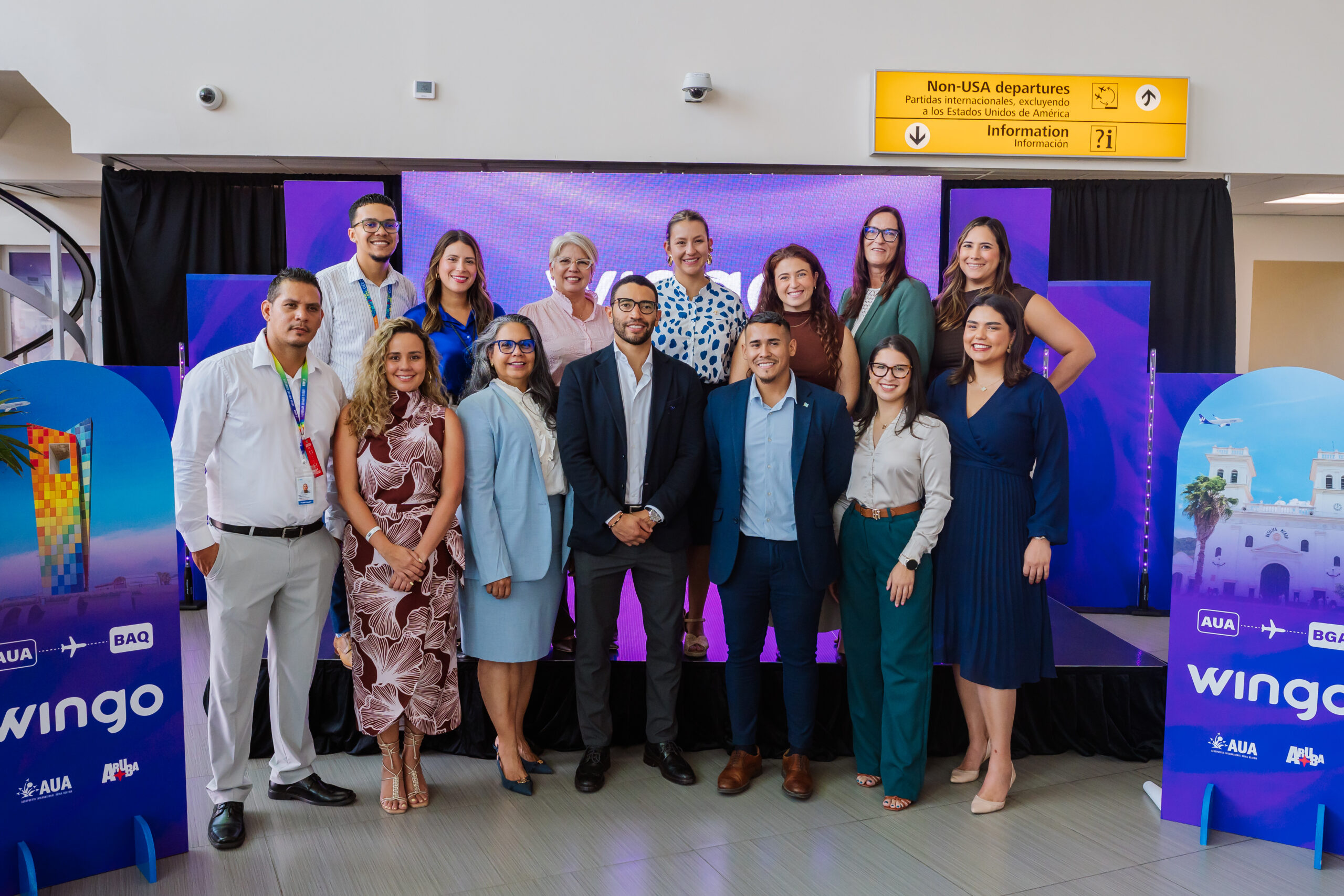
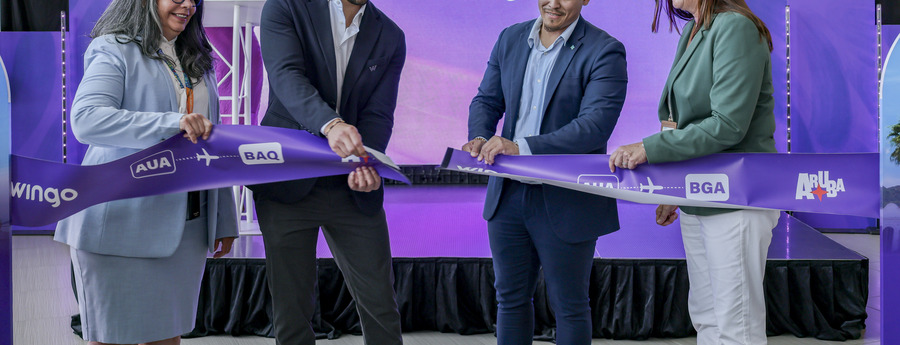
Aruba Airport Authority (AAA), budget airline Wingo, the Government of Aruba, the Aruba Tourism Authority (ATA), and key tourism stakeholders jointly celebrated the launch of new direct flight services connecting Aruba to Barranquilla and Bucaramanga, Colombia. The inauguration marks a significant expansion of air connectivity between Aruba and Colombia's interior, opening two new routes to major Colombian cities. Wingo, a low-cost carrier known for its Caribbean and Latin American network, is operating the new services. The expanded connectivity is expected to boost tourist arrivals from Colombia, one of Aruba's important source markets in South America. Officials from both the public and private tourism sectors attended the celebration, underscoring the strategic importance of the new routes. The addition of Bucaramanga is particularly notable as it connects Aruba to a Colombian city not previously served with direct flights to the island. Stronger air links are expected to support broader economic and tourism growth goals for Aruba.

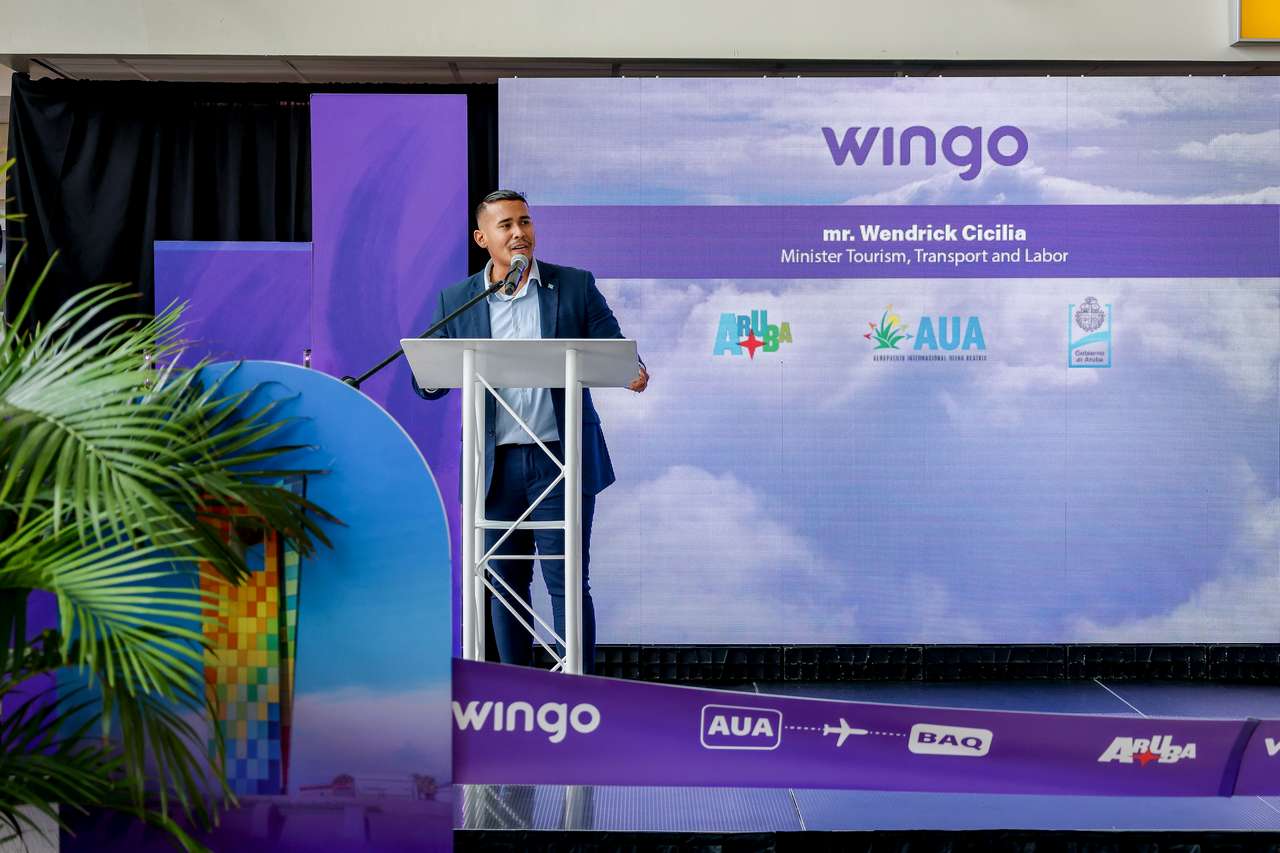
Aruba's Minister of Tourism Wendrick Cicilia officially celebrated the inauguration of a new direct air route operated by Colombian carrier Wingo, connecting Barranquilla to Aruba. The launch marks a significant step in strengthening regional connectivity between Aruba and Colombia. Wingo, a low-cost airline subsidiary of Copa Holdings, expands access for Colombian travelers seeking direct travel options to the island. The new route is expected to boost tourist arrivals from Colombia, one of the key source markets for Aruba's tourism sector. Minister Cicilia's participation in the inauguration underscores the Aruban government's commitment to growing aviation partnerships and regional ties. Increased air connectivity is considered a critical driver of economic activity for the island, given its heavy reliance on tourism revenue. The addition of Barranquilla as a new gateway city diversifies Colombia's entry points beyond previously established routes.

Budget airline Wingo is expanding its service between Aruba and Colombia with new routes to the cities of Barranquilla and Bucaramanga. The announcement was made jointly by Aruba Airport Authority N.V. (AAA), Wingo, the Government of Aruba, the Aruba Tourism Authority (A.T.A.), and other key stakeholders. The new routes are designed to strengthen air connectivity between the two countries, broadening access for both tourists and travelers. Colombia is an important source market for Aruba's tourism sector, making expanded service a strategic move for the island's economy. The addition of Barranquilla and Bucaramanga complements any existing Colombian routes and opens Aruba to new regional passenger pools. The collaboration between government, the airport authority, and the tourism board signals a coordinated effort to grow airlift capacity.

Aruba Airport Authority (AAA), in partnership with low-cost carrier Wingo, the Government of Aruba, and the Aruba Tourism Authority (A.T.A.), announced new air service connecting Aruba to two Colombian cities: Barranquilla and Bucaramanga. The announcement was made on July 9, 2026, in Oranjestad, Aruba. The new routes strengthen air connectivity between Aruba and Colombia, a key source market for Caribbean tourism. Wingo, a budget airline operating across Latin America and the Caribbean, expands its footprint on the island with these additions. The partnership reflects a coordinated effort between public and private stakeholders to boost tourism arrivals and economic activity on the island. Improved access from Colombian cities beyond Bogotá is expected to open Aruba to a broader segment of Colombian travelers. The move is seen as a strategic step in diversifying Aruba's tourism source markets and increasing regional air connectivity.

Aruba officially celebrated the launch of a new direct air route between Barranquilla, Colombia and Oranjestad, operated by low-cost carrier Wingo. The inauguration ceremony took place at Aruba's international airport, marking a significant expansion of the island's air connectivity with Colombia. Wingo, a budget airline operating across Latin America and the Caribbean, strengthens an important travel corridor between the two destinations. The new route is expected to boost tourism arrivals from Colombia, one of the region's growing source markets for Caribbean travel. Improved air access also supports trade and the movement of the Colombian diaspora community with ties to Aruba. Officials at the ceremony framed the launch as a positive development for Aruba's broader economic and tourism strategy. The direct connection reduces travel time and cost for passengers who previously had to transit through other hubs.

Colombian low-cost carrier Wingo officially inaugurated its new route to Aruba on Wednesday with a special ceremony at Queen Beatrix International Airport in Oranjestad. The airline marked the occasion with an inaugural flight celebration, a standard industry practice used to highlight the launch of new air service. Wingo, a subsidiary of Copa Holdings, is known for offering budget-friendly fares across Latin America and the Caribbean. The addition of this new route expands Aruba's air connectivity with the Latin American market, which is a strategic priority for the island's tourism sector. New airline routes are generally welcomed by tourism officials as they increase visitor access and can stimulate competition among carriers, potentially lowering ticket prices. The ceremony at Queen Beatrix International Airport signals a formal commitment from Wingo to serve the Aruba market on a regular basis. This development is expected to benefit both leisure and business travelers looking for more affordable flight options to and from the island.
UK-based LGBTQ+ magazine Attitude has published a dedicated travel guide to Aruba, highlighting the island as one of the Caribbean's most welcoming destinations for LGBTQ+ travelers. Aruba, long marketed under its 'One Happy Island' brand, is positioned in the guide as a standout choice in a region where LGBTQ+ rights and acceptance vary widely. The guide likely covers accommodations, beaches, nightlife, and cultural tips tailored to LGBTQ+ visitors. Aruba has developed a reputation for being relatively inclusive compared to many of its Caribbean neighbors, making this kind of international editorial coverage significant for the island's tourism sector. Features in high-profile LGBTQ+ publications can directly influence travel decisions within a community that represents a high-value tourism demographic. The coverage reinforces Aruba's ongoing efforts to position itself as an open, diverse, and welcoming destination. For the island's tourism industry, visibility in targeted international media is a key driver of visitor arrivals.
Aruba is experiencing a significant surge in tourism momentum as the island heads into 2026, with rising international visitor numbers signaling a broader Caribbean travel boom. New and expanding resorts are increasing the island's accommodation capacity, positioning Aruba to handle greater demand from travelers worldwide. Improved flight connections are making the island more accessible from key international markets, further fueling visitor interest. The growth reflects broader trends in post-pandemic travel recovery, with the Caribbean emerging as a top destination for international tourists. Aruba's reputation for consistent sunshine, safety, and hospitality continues to distinguish it from competing destinations in the region. The expansion in tourism infrastructure is expected to generate economic benefits for local businesses and the broader Aruban economy. Industry observers see the current trajectory as an indicator of sustained long-term growth rather than a short-term spike.
The Cape Gazette, a regional publication from the Delaware coast, has featured Aruba as a highlighted travel destination for couples seeking a vacation getaway. The piece spotlights the island's appeal to romantic travelers, drawing attention to Aruba's beaches, hospitality, and tourism offerings. Coverage in U.S. regional media outlets like the Cape Gazette helps reinforce Aruba's brand as a premier Caribbean destination for leisure travelers. Such editorial features are valuable for the island's tourism industry, as they reach audiences in key source markets along the American East Coast. The article reflects ongoing efforts by Aruba's tourism sector to attract couples and leisure visitors, a demographic that represents a significant portion of the island's visitor base. No specific incidents or policy changes were reported — the piece is primarily a travel feature promoting Aruba as a couples' destination.
Aruba is experiencing another strong tourism year, with visitor arrivals posting a significant increase compared to previous periods. The island has welcomed new hotel developments that are expanding its accommodation capacity, while airlines have added more flight routes and frequencies to meet growing demand. The surge in tourism reflects continued confidence from both travelers and investors in Aruba as a premier Caribbean destination. Increased airlift is a key driver of the arrival numbers, making the island more accessible from a wider range of markets. The combination of new lodging options and improved connectivity positions Aruba competitively heading into the upcoming high season. Strong tourism performance is critical for Aruba's economy, which relies heavily on visitor spending to support employment and government revenue.
A wave of Caribbean destinations, including Aruba, Barbados, Puerto Rico, Jamaica, Saint Lucia, Grenada, and the Dominican Republic, are actively positioning themselves to attract international tourists ahead of a projected 2026 travel boom. The Dominican Republic is highlighted as a frontrunner in the region's anticipated travel revolution, leveraging infrastructure investment and expanded tourism offerings. Aruba, long considered one of the Caribbean's most stable and visitor-friendly destinations, is among the islands competing for a share of growing global travel demand. The region as a whole is targeting tourists seeking distinctive island experiences, from beach and adventure tourism to cultural immersion. The 2026 outlook reflects broader post-pandemic recovery momentum in Caribbean tourism, with visitor numbers trending upward across multiple islands. For Aruba, continued international interest reinforces the island's economic reliance on tourism as a primary revenue driver. The competition among Caribbean destinations signals both opportunity and pressure for each island to differentiate its offerings.
Aruba has been officially designated as a UNESCO Biosphere Reserve, marking a landmark recognition of the island's commitment to environmental conservation and sustainable development. The designation places Aruba among a global network of protected regions that balance human activity with the preservation of biodiversity and natural ecosystems. UNESCO Biosphere Reserves are recognized for their efforts to harmonize conservation with the social and economic needs of local communities. For Aruba, this status elevates its international profile as an environmentally responsible destination and could significantly boost eco-tourism. The designation also comes with access to international resources, expertise, and collaborative networks that can support long-term environmental management on the island. Aruba joins a prestigious list of over 700 Biosphere Reserves worldwide recognized by UNESCO's Man and the Biosphere Programme. This achievement reflects years of local environmental stewardship and positions Aruba as a model for sustainable island development in the Caribbean.
Aruba is emerging as a regional leader in a broader Caribbean tourism transformation driven by growing traveler demand for barefoot luxury, digital detox experiences, and slow island living. The island is joined by Grenada, Anguilla, the Dominican Republic, Saint Lucia, and Puerto Rico in reshaping how the Caribbean markets itself to modern travelers. Airlines including Virgin Atlantic and Caribbean Airlines are playing a key role by expanding routes and accessibility to these destinations, helping fuel the demand surge. The trend reflects a post-pandemic shift in traveler priorities, with visitors increasingly seeking unhurried, nature-connected experiences over traditional resort-style tourism. This movement represents a significant opportunity for smaller and mid-size Caribbean islands to compete with larger, more commercialized destinations. The emphasis on authenticity and wellness-oriented travel aligns with broader global tourism trends that industry analysts have been tracking. For Aruba, which already boasts strong tourism infrastructure, this shift could deepen visitor engagement and encourage longer stays.

Aruba Prime Minister Mike Eman received a special group of tourists who have been visiting the island annually for nearly 30 years, honoring their long-standing loyalty to Aruba as a vacation destination. Among those recognized were Rick and Dede Grosser, who have made the trip to Aruba every year since 1991, exemplifying the deep personal bonds that repeat visitors often form with the island. The recognition highlights Aruba's ongoing efforts to celebrate and retain its most loyal tourists, who represent a significant and stable segment of the island's tourism economy. Long-term repeat visitors contribute not only economically but also serve as informal ambassadors who recommend Aruba to friends, family, and social networks. Prime Minister Eman's personal reception of these guests signals the government's appreciation for visitor loyalty and its commitment to maintaining Aruba's reputation as a premier Caribbean destination. The event underscores the island's tourism-driven identity and the cultural value placed on relationships between the local community and returning visitors.

The Department of Santander, Colombia, represented through its Ministry of Culture and Tourism, visited Aruba for a networking event titled 'Santander llegó a Aruba,' aimed at deepening bilateral ties between the two destinations. Carlos Bermudez, a representative of the Aruban political party AVP, attended the event and emphasized the importance of continuing to strengthen the relationship between Aruba and Colombia. The event served as a platform for cultural and tourism exchange, bringing together stakeholders from both sides. Colombia is one of Aruba's key regional partners, and events like this are seen as instrumental in fostering economic and tourism cooperation. Bermudez's participation signals AVP's political support for sustained engagement with South American neighbors. The networking gathering reflects a broader push by both Aruba and Colombian regional governments to grow tourism flows and cultural connections across the southern Caribbean corridor.
Aruba is experiencing a significant surge in visitors from Latin America, establishing the island as a top destination for travelers from the region. The trend reflects growing interest among Latin American tourists in Caribbean travel, with Aruba emerging as a preferred choice due to its stable climate, safety record, and tourism infrastructure. Key source markets in Latin America are contributing meaningfully to overall visitor numbers, bolstering the island's tourism economy. This growth is particularly notable as the Caribbean travel market continues to recover and expand following pandemic-era disruptions. Aruba's tourism authority and hospitality sector stand to benefit from the increased demand, which diversifies the island's traditional reliance on North American and European visitors. The rise in Latin American arrivals signals a broader strategic shift in how Aruba is positioning itself in regional and international tourism markets.

On June 24, one day before Curaçao's third match in the 2026 FIFA World Cup, the Curaçao Tourism Board (CTB) organized a 'Blue Wave Takeover' event in Philadelphia. The event was designed to promote Curaçao as a tourist destination by capitalizing on the island's historic participation in the FIFA World Cup. Philadelphia was chosen as the host city, likely due to its proximity to the World Cup match venue and its large fan base gathering for the tournament. The event gave CTB a high-profile platform to reach international audiences, particularly football fans from across the Americas and beyond. By linking tourism promotion directly to the World Cup, Curaçao aimed to convert the excitement of the tournament into long-term travel interest in the island. The initiative reflects a broader Caribbean strategy of using major international sporting events as leverage for destination marketing.

The Aruba Tourism Authority (A.T.A.) traveled to Buenos Aires, Argentina, to strengthen the island's strategic positioning in the South American market. As part of the visit, A.T.A. participated in the prestigious Forbes Sustainability Summit, a high-profile event focused on sustainable development and responsible business practices. The delegation used the platform to highlight Aruba's ongoing commitment to responsible tourism, a cornerstone of the island's broader tourism strategy. Argentina represents an important and growing source market for Aruba, making the engagement particularly significant for long-term visitor growth. By participating in a globally recognized sustainability forum, Aruba reinforced its brand identity as a destination that prioritizes environmental and social responsibility. The move aligns with international trends showing that travelers increasingly factor sustainability into their destination choices.
Aruba is joining Barbados, Jamaica, the Dominican Republic, and other Caribbean nations in a coordinated surge in tourism activity paired with a regional push toward sustainable energy. The movement reflects a broader Caribbean strategy to attract high-value travelers while simultaneously transitioning away from fossil fuels and toward renewable power sources. This green revolution is being framed as both an economic and environmental imperative, as island nations face outsized risks from climate change while depending heavily on tourism for GDP. Aruba, which has long been a regional leader in renewable energy ambitions, fits naturally into this coalition of islands repositioning themselves for a climate-conscious global travel market. The trend is drawing international attention as the Caribbean works to distinguish itself as a destination that balances luxury tourism with environmental responsibility. The shift is seen as reshaping global travel expectations, with high-value tourists increasingly factoring sustainability into destination choices.

The Aruba Tourism Authority (A.T.A.) traveled to Buenos Aires, Argentina, to strengthen its strategic positioning in the Argentine market. As part of the visit, A.T.A. participated in the prestigious Forbes Sustainability Summit, where Aruba showcased its vision for responsible and sustainable tourism. The trip reflects Aruba's ongoing commitment to aligning its tourism brand with global sustainability standards. Argentina represents an important source market for Aruba, and engagements like this help raise the island's profile among high-value travelers and industry decision-makers. By participating in a Forbes-branded event, Aruba positions itself alongside internationally recognized leaders in sustainable development. The move underscores A.T.A.'s broader strategy of marketing Aruba not just as a beach destination, but as a conscientious, forward-thinking tourism model in the Caribbean.

The Aruba Tourism Authority (A.T.A.) traveled to Buenos Aires, Argentina, to strengthen its strategic positioning in the South American market through participation in the prestigious Forbes Sustainability Summit. The visit was part of A.T.A.'s ongoing effort to advance its Responsible Tourism framework on an international stage. By engaging with a high-profile global audience at a Forbes-branded event, Aruba aimed to align its tourism brand with sustainability values that increasingly influence travel decisions worldwide. Argentina represents an important and growing source market for Aruba, making the Buenos Aires visit both a marketing and relationship-building opportunity. The participation signals Aruba's commitment to positioning itself not just as a leisure destination, but as a leader in sustainable Caribbean tourism. The A.T.A.'s presence at such a summit reinforces Aruba's broader strategy of attracting environmentally conscious, high-value travelers from Latin America.

Señor Frog's has opened a new location in Aruba along the Palm Beach strip, quickly becoming a buzzing spot on the island's most popular tourist corridor. The internationally recognized restaurant and entertainment brand is drawing attention with a standout weekly promotion: $1 tacos every Thursday. The venue is being described as a welcome addition that fills a gap in Palm Beach's dining and nightlife scene. Señor Frog's is globally known for its lively atmosphere, bold food offerings, and party-oriented experience, making it a natural fit for Aruba's tourism-heavy beachfront area. The promotion is expected to attract both tourists and locals looking for affordable dining alongside the brand's signature entertainment.