Business
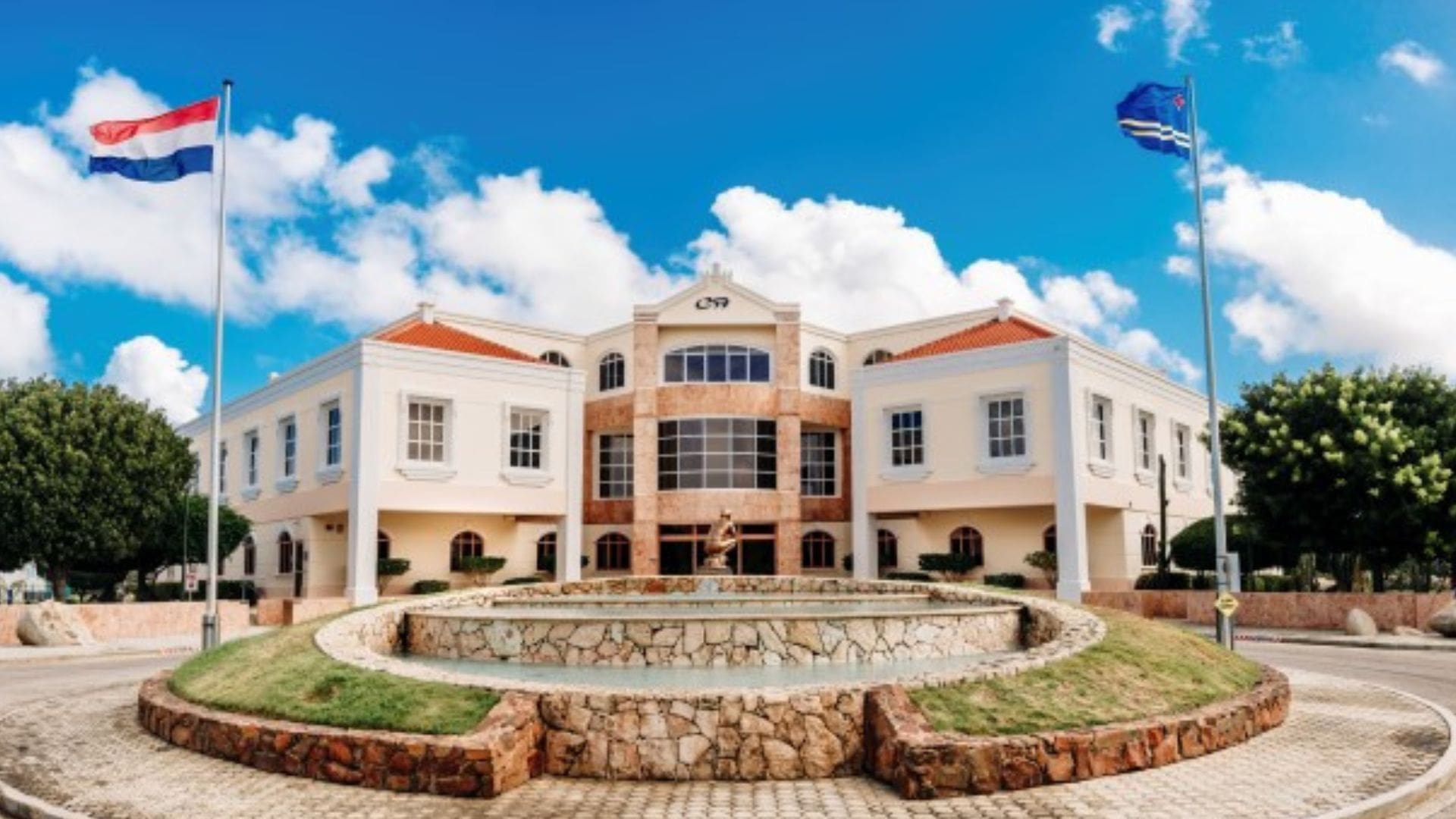
Aruba's Central Bank Posts Record Profit of Over 100 Million Florins
- The Central Bank of Aruba recorded a profit of over 100 million florins in 2025.
- This is the largest profit in the bank's history since its founding.
24ora🇦🇼·10 hours ago



A newly deployed group of soldiers from the Compagnie di West (West Company) has been active on the island of Curaçao for more than a week and has kept fully occupied since their arrival. The unit has been engaged in various military activities and tasks since beginning their deployment. The Compagnie di West is a military unit connected to the Dutch Caribbean defense structure, which maintains a presence across the ABC islands. The deployment reflects the ongoing commitment of Dutch military forces to maintaining readiness and operational capacity in the region. The strong start noted in the report suggests the unit has integrated quickly and is performing well in their assigned duties.

Aruba and Curaçao have agreed to strengthen their cooperation on the digitalization of government services and education systems, marking a significant step in inter-island collaboration within the Dutch Caribbean. The two islands are working to modernize public administration and educational infrastructure through shared digital strategies and resources. This partnership reflects a growing regional recognition that smaller island governments can benefit from pooling expertise and technology investments rather than developing independent systems. The collaboration is expected to improve efficiency in public service delivery and expand digital access for students and educators across both islands. By aligning their digital transformation efforts, Aruba and Curaçao aim to reduce costs and accelerate implementation timelines. The agreement underscores the broader push across the Caribbean to modernize governance and keep pace with global digital standards. Details on specific programs, timelines, and funding mechanisms are expected to be outlined as the partnership develops.
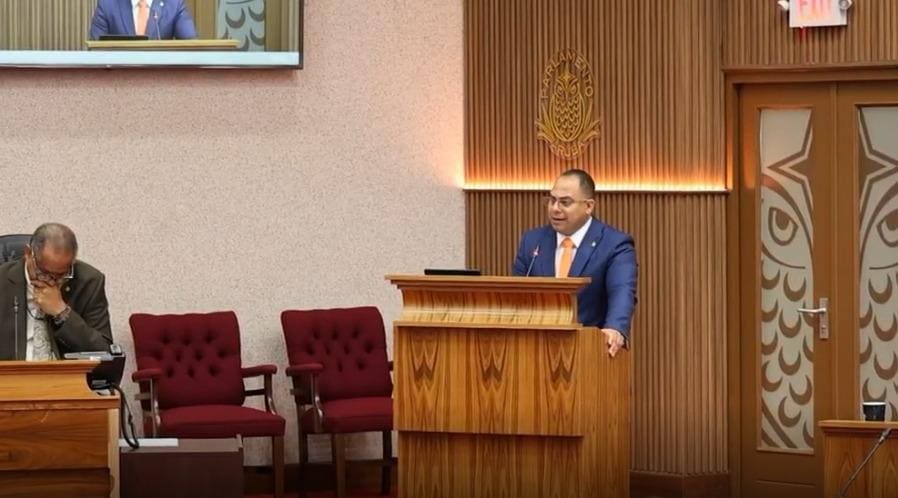
Eduard Pieters, faction leader of the People's Party Aruba (PPA), made the pointed declaration that the Aruba Tourism Authority (ATA) cannot be turned into a government bank, closing his second intervention during a parliamentary debate. The debate had shifted from its original subject — a waste management contract — into broader concerns about how public funds and government entities are being utilized. Pieters used the moment to draw a firm line against what he characterized as the misuse of ATA's financial resources for purposes beyond its tourism mandate. The statement signals growing parliamentary tension over financial governance and the boundaries of ATA's institutional role. The intervention suggests opposition concern that the ruling government may be leaning on ATA as a funding mechanism outside of its core tourism-promotion function. No immediate legislative outcome was reported from the session, but the remarks are likely to fuel further scrutiny of ATA's budget and operations.

A national ban on consumer fireworks set to take effect in the Netherlands in 2026-2027 will not extend to the Caribbean BES islands of Bonaire, Sint Eustatius, and Saba. The distinction highlights the separate legal status of these three special municipalities, which do not automatically adopt all Dutch national legislation. While residents in the European Netherlands will be prohibited from purchasing and setting off fireworks, islanders on Bonaire, Sint Eustatius, and Saba will face no such restriction. This means that New Year's and other celebrations on the BES islands can continue to include consumer fireworks as usual. The divergence in policy reflects the ongoing complexity of governing Caribbean territories under the Dutch Kingdom framework, where local context often shapes which laws apply.
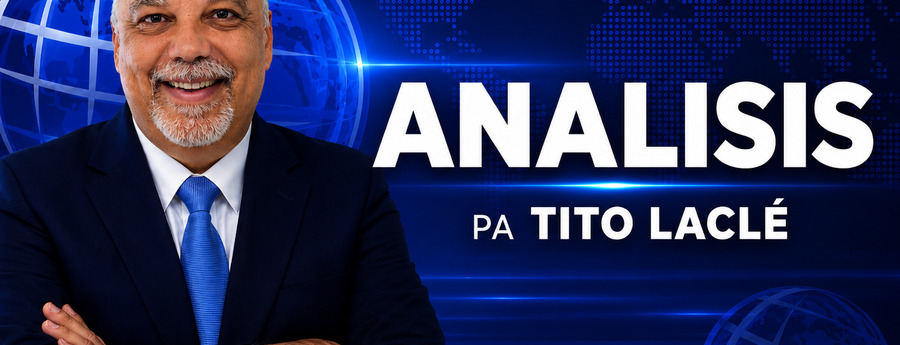
Columnist Tito Laclé, writing for Noticia Cla, argues that the Aruban government is prioritizing high-visibility decisions while neglecting serious structural problems that directly affect the well-being and safety of the community. The central critique focuses on the healthcare system, which Laclé describes as fundamentally flawed and in need of urgent attention. He suggests that the government's public actions create an impression of progress while deeper, systemic issues go unaddressed. The piece frames this as a matter of public trust and governance, questioning whether surface-level policy wins can substitute for meaningful reform. Laclé's analysis implies that true progress on Aruba's social welfare cannot be achieved without first confronting the dysfunction embedded in the island's care system.

The French Parliament has passed a law banning children under the age of 15 from using social media platforms. The legislation was approved by the National Assembly with 279 votes in favor and 81 against, following earlier approval by the Senate. The law represents one of the strictest age-restriction measures on social media use enacted by any European nation. France joins a growing number of countries grappling with the mental health and safety risks that social media poses to minors. The move signals a significant shift in how Western democracies are approaching the regulation of Big Tech platforms in relation to children. Enforcement details and platform compliance requirements have yet to be fully outlined publicly.
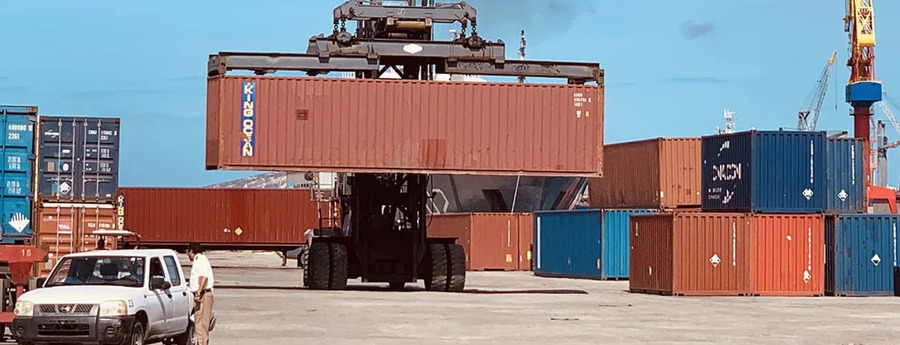
The Dutch government has formally requested that Aruba, Curaçao, and Sint Maarten consider introducing their own bans on the import and sale of products originating from Israeli settlements in the occupied Palestinian territories. The request reflects the Netherlands' broader foreign policy position regarding Israeli settlements, which are considered illegal under international law. As autonomous countries within the Kingdom of the Netherlands, Aruba, Curaçao, and Sint Maarten have a degree of self-governance, meaning they must independently decide whether to adopt such a measure. The Dutch government's appeal signals an effort to align the Kingdom's constituent countries on this sensitive geopolitical issue. No decision has yet been announced by Aruba's government regarding whether it will implement the requested prohibition. The move comes amid heightened international scrutiny of trade relations with Israeli settlements following the ongoing conflict in Gaza. This development places Aruba and its sister islands in a politically delicate position between Dutch foreign policy expectations and their own trade and diplomatic interests.
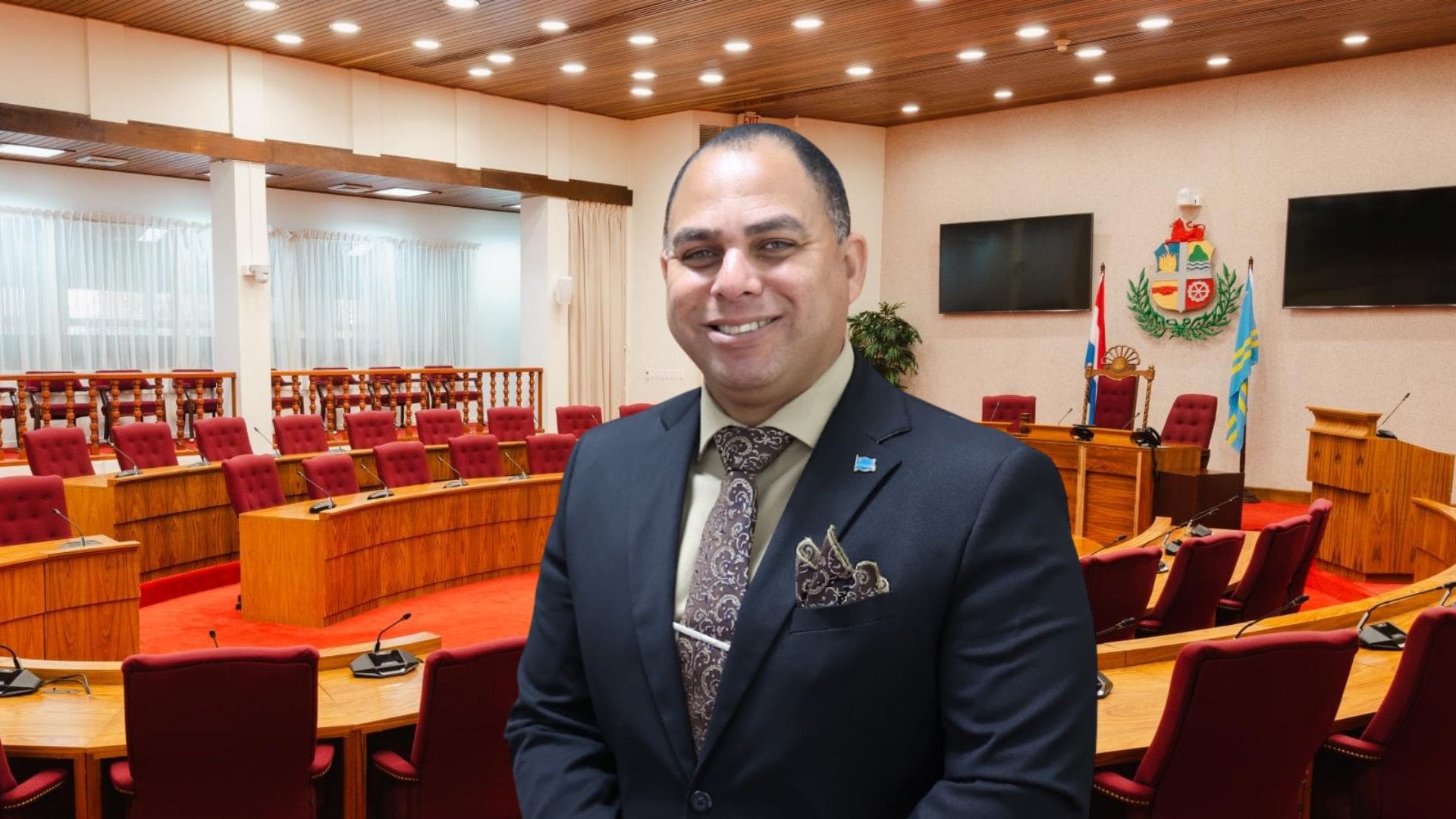
The PPA parliamentary faction held a press conference in Aruba to raise concerns about Minister Croes's refusal to respond to their questions. According to PPA, the minister has been unresponsive both in public meetings and through private channels, effectively shutting down parliamentary dialogue. The faction highlighted that this behavior is not acceptable in a democratic system where ministers are accountable to parliament. PPA did not specify which policy areas or topics their unanswered questions pertained to, but the pattern of non-response was their central grievance. The press conference signals growing frustration within the opposition over ministerial transparency and accountability. This situation raises broader questions about the functioning of parliamentary oversight in Aruba's government. No response from Minister Croes or his office was reported at the time of publication.

Aruba Member of Parliament Rocco Tjon of the MEP party has raised concerns over Education Minister Gerlien Croes's failure to publicly share an official advisory from the LAR (Aruban Advisory Council) regarding an objection that was filed. Tjon expressed that the minister has yet to make the formal LAR opinion available, despite the objection having been submitted. The advisory is considered significant as it relates to a formal legal or policy challenge, and its non-disclosure is fueling concern among opposition lawmakers. Tjon's public statement signals growing parliamentary pressure on Minister Croes to be more transparent about the advisory's contents and conclusions. The withholding of the document raises questions about governmental accountability and procedural transparency in Aruba's education sector.
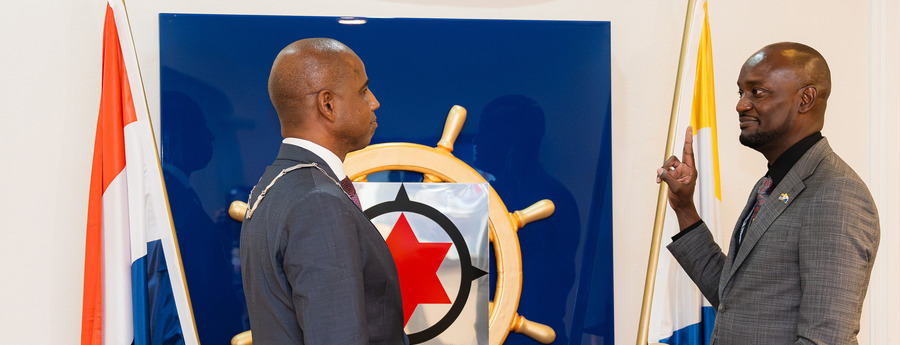
Dennis Martinus, a representative of the MPB (Movimentu Patriótiko Boneriano) party, was officially sworn in as a new member of Bonaire's Island Council on Tuesday, July 21, 2026. The swearing-in ceremony took place during a formal session of the Conseho Insular, Bonaire's governing legislative body. His appointment marks a new addition to the council's composition, potentially shifting the political balance within the island's local government. Bonaire, as a special municipality of the Netherlands, relies on its Island Council to legislate on local matters and represent residents' interests. The MPB is one of Bonaire's established political parties, and Martinus's entry into the council signals continued engagement from the party in shaping island policy. The circumstances leading to the vacancy — whether through resignation, term completion, or another reason — were not specified in the available excerpt.
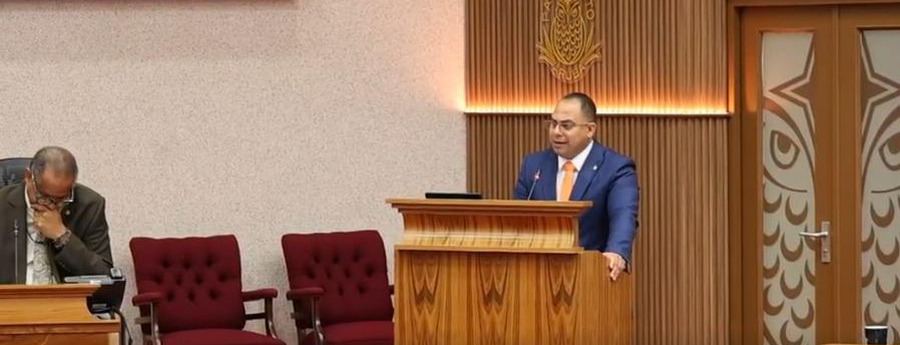
Aruban parliamentarian Eduard Pieters of the PPA party has publicly criticized the government's decision to use funds from the Aruba Tourism Authority (ATA) to finance waste management policy. Pieters argues that while keeping Aruba clean is a legitimate goal, it is not the mandate of ATA, whose primary purpose is to promote tourism and drive visitor arrivals to the island. He warned that tapping into ATA's budget for unrelated government expenses sets a dangerous precedent, effectively turning the tourism authority into a financial reserve for the government. The criticism raises broader concerns about the fiscal discipline of Aruba's administration and whether tourism promotion funding could be diluted by government spending needs. Pieters' remarks signal growing tension between the ruling government and opposition lawmakers over how public funds and statutory bodies are managed.
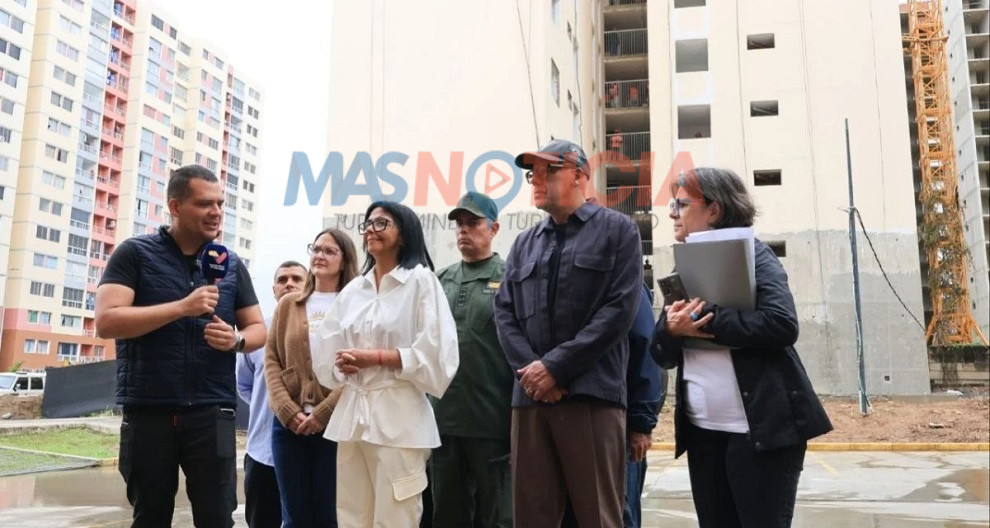
Venezuelan Vice President Delcy Rodriguez has promised the construction and delivery of 4,000 homes by 2026 for victims of recent earthquakes in Venezuela. More than 20,000 people were left homeless by the earthquakes and are currently living in makeshift camps set up in stadiums, public squares, and even on sidewalks. Rodriguez made the announcement as the humanitarian situation for displaced residents continues to deteriorate. The scale of the disaster has displaced tens of thousands, with no immediate shelter solutions in place beyond temporary encampments. The promise of 4,000 homes falls well short of housing the more than 20,000 people currently without shelter, raising questions about the timeline and feasibility of the government's response. Venezuela's track record on housing delivery has historically faced delays, adding further uncertainty to the pledge.
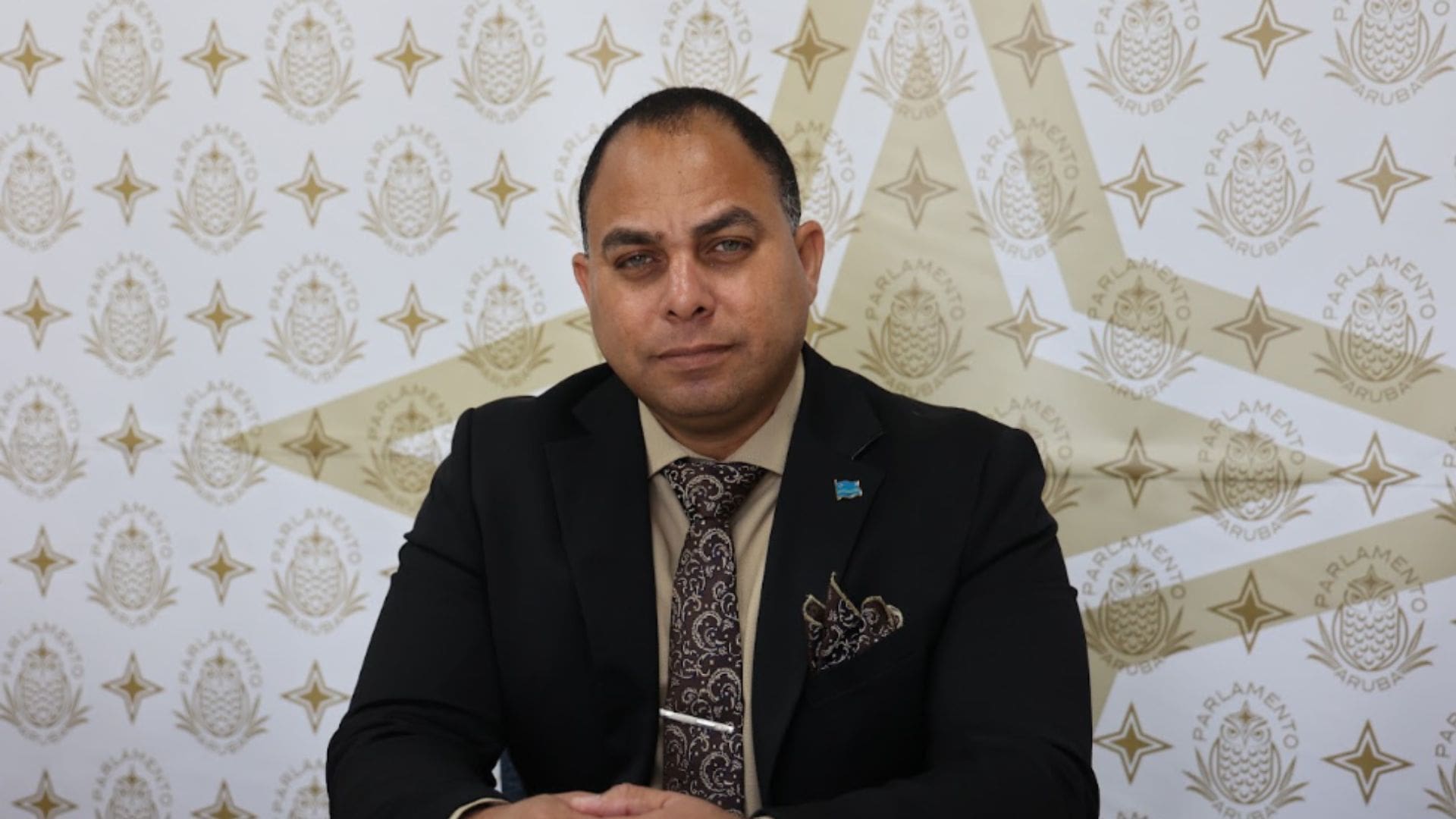
Aruban opposition party PPA (Partido Patriotico Arubano) has raised concerns about how the Department of Primary Education (DPS) is preparing to implement changes to basic education regulations. Parliamentarian Eduard Pieters stated that teachers within the DPS system are not being properly informed about upcoming changes to educational standards and norms. Pieters argues that the process of implementing these curriculum reforms lacks transparency and adequate communication with educators on the ground. The concern highlights a broader issue of how policy changes in Aruba's education sector are rolled out without sufficient involvement of the teachers who must carry them out. The PPA's criticism suggests that frontline educators may be unprepared for the regulatory shifts, potentially affecting the quality and consistency of basic education across the island.
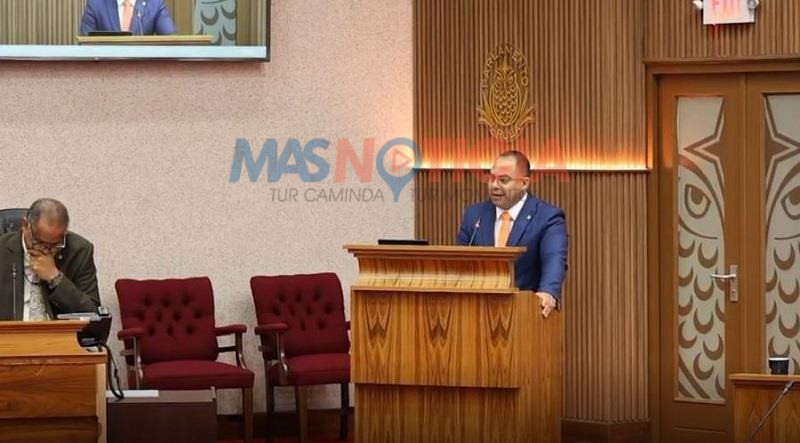
Eduard Pieters, faction leader of the AVP party in Aruba's Parliament, made a pointed declaration during a parliamentary debate, stating that the Aruba Tourism Authority (ATA) must not be used as a financial arm of the government. Pieters made the remark while closing his second intervention in Parliament during what had originally been a debate about a waste management contract. The debate apparently shifted in scope, touching on broader concerns about the financial independence and proper use of ATA's resources. Pieters' comments reflect growing tension in Parliament over how government-linked entities are being funded or utilized beyond their core mandates. The statement signals opposition concern that ATA, whose primary role is to promote tourism, could be drawn into financing government operations or projects outside its mission. The remarks underscore ongoing scrutiny of financial governance in Aruba's public institutions.
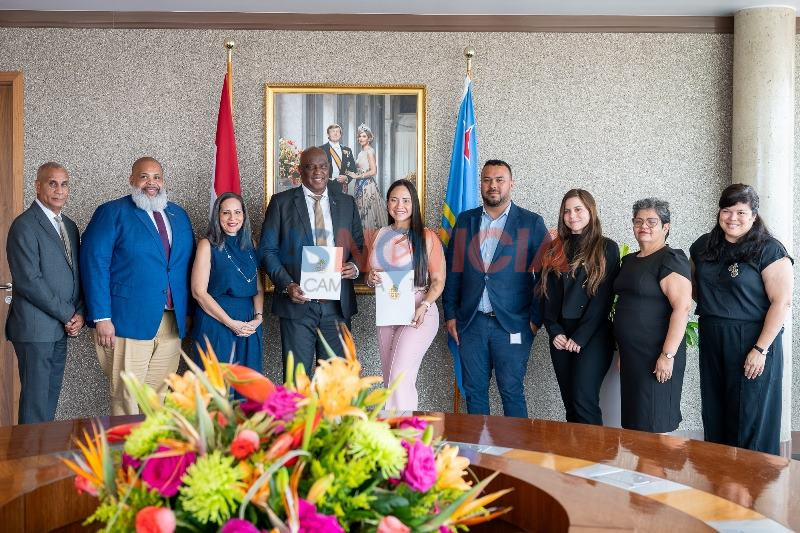
The governments of Aruba and Curaçao have signed a Memorandum of Understanding aimed at strengthening strategic cooperation in digital transformation, covering both education and government services. The agreement was announced by Aruba's Minister Gerlien Croes, who oversees the island's digitalization efforts. The MoU formalizes a collaborative framework between the two Dutch Caribbean islands to modernize how public services and educational systems operate through technology. This type of bilateral agreement signals a shift toward regional coordination on digital infrastructure rather than each island developing costly solutions independently. By aligning their digital strategies, both islands stand to benefit from shared resources, expertise, and potentially unified platforms. The partnership reflects a broader Caribbean trend of governments investing in e-governance and digital education to improve efficiency and public access to services.
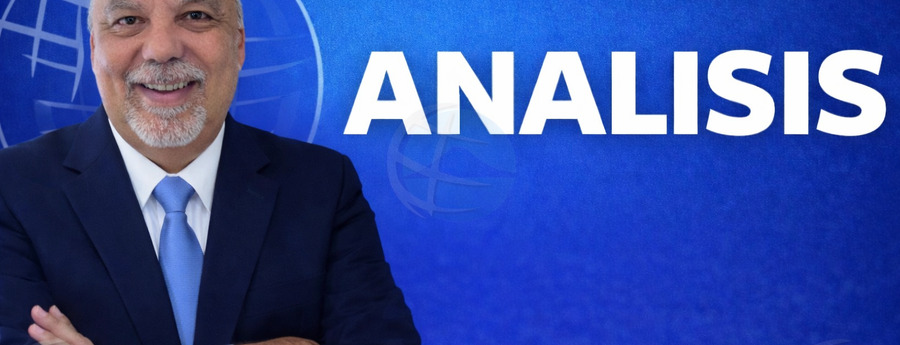
A political analysis piece authored by Tito Laclé examines the often-debated constitutional boundaries between Aruba's Governor and the Staten, the island's parliament. The article addresses recurring public discourse about what role the Governor should play when conflicts or disagreements arise within the Staten. In Aruba's governmental structure, the Governor serves as the representative of the Dutch Crown and holds a distinct constitutional position separate from elected lawmakers. Tensions or ambiguities between these two institutions periodically surface, prompting debate about the limits of gubernatorial authority versus parliamentary sovereignty. The analysis aims to clarify these boundaries for the public, helping citizens better understand how Aruba's system of governance is designed to function during moments of political friction.
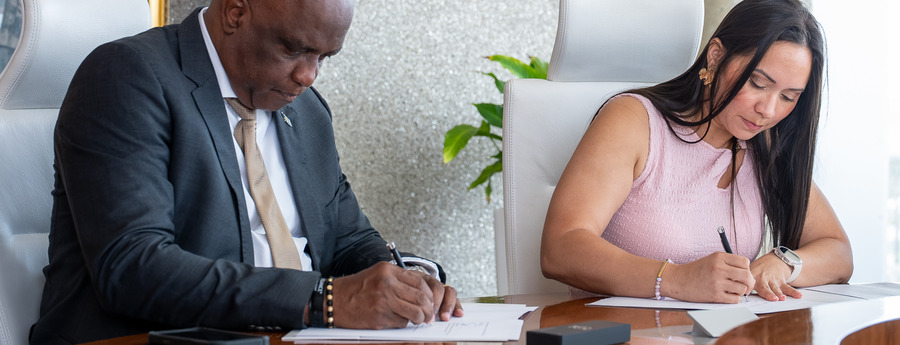
Aruba and Curaçao have signed a Memorandum of Understanding (MoU) aimed at deepening cooperation in the digitalization of education and digital government services. The agreement was signed by Minister Gerlien Croe, signaling a formal commitment between the two islands to align their digital strategies. The MoU reflects a growing regional push to modernize public services and educational infrastructure across the Dutch Caribbean. By formalizing this partnership, both islands aim to share knowledge, resources, and best practices in implementing digital tools in classrooms and government operations. The agreement is particularly significant as both islands navigate post-pandemic demands for more accessible and technology-driven education systems. Collaboration at this level between autonomous countries within the Kingdom of the Netherlands could serve as a model for broader regional digital integration.

Aruba will implement a legal cap of 25% on consumer credit interest rates and associated costs, effective August 1, 2026. The measure, announced by Minister Wever, is designed to strengthen financial protections for consumers on the island. The regulation aims to prevent lenders from charging excessive rates that can trap borrowers in cycles of debt. By setting a clear legal ceiling, authorities hope to bring greater transparency and fairness to the consumer lending market. The move reflects a broader effort by the Aruban government to safeguard residents from predatory lending practices.
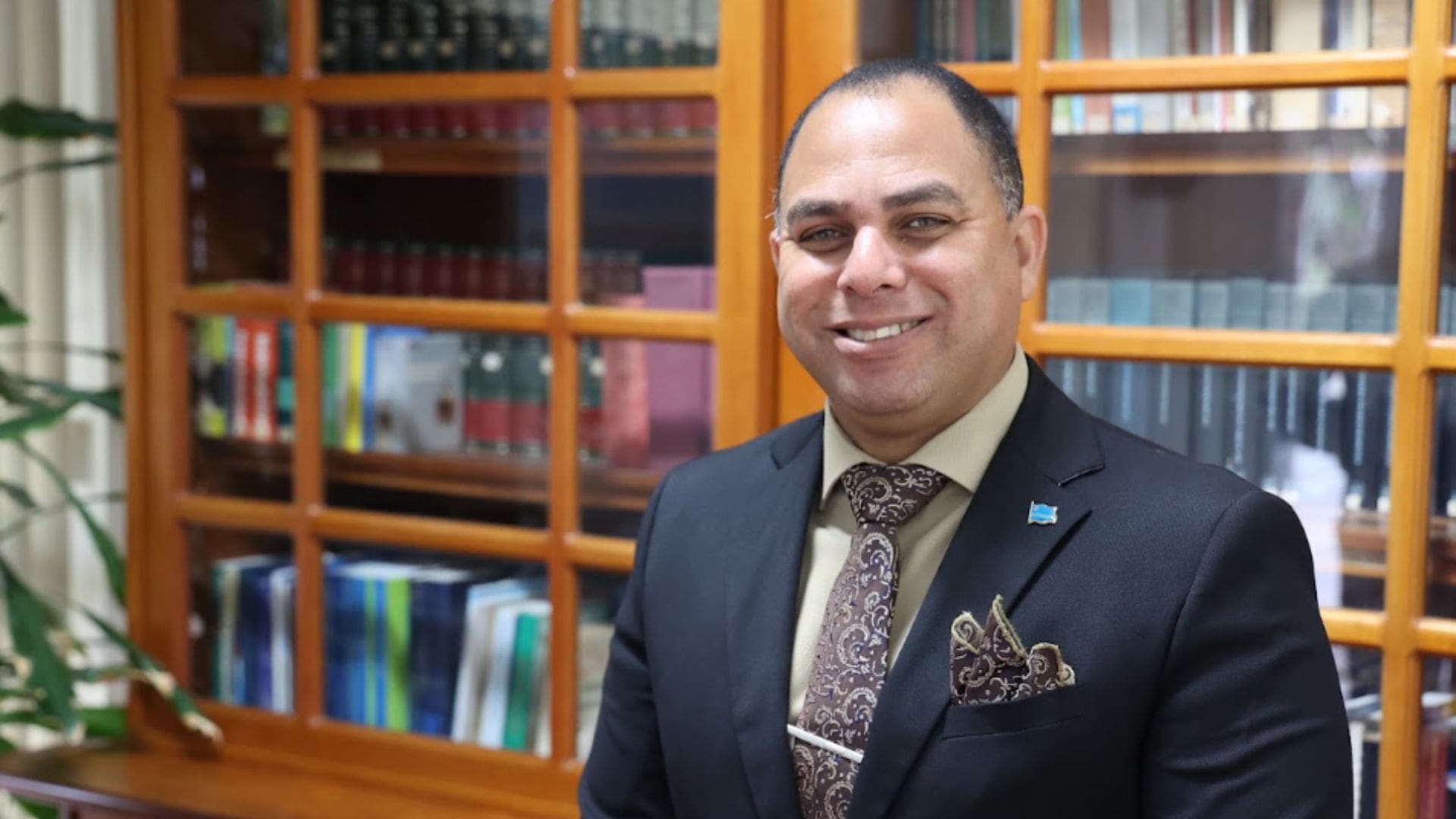
The PPA parliamentary faction held a press conference in Aruba to share what they described as important information for the community regarding the Kingdom Act HOFA (Higher Oversight Financial Administration). Faction leader emphasized that the Rijkswet HOFA is not an 'onderlinge regeling' — a mutual or bilateral agreement between parties — as some may have characterized it. The distinction is legally significant: a Rijkswet is a Kingdom-level law that carries binding authority over all constituent countries, while an onderlinge regeling is a more voluntary, cooperative arrangement. The PPA faction appears to be pushing back against messaging from another political party or the government that may have downplayed the binding nature of HOFA. Their core message is that the public should not blindly accept political statements without scrutiny regarding the true legal weight of HOFA. The press conference reflects ongoing political debate in Aruba around financial oversight mechanisms imposed at the Kingdom level.

On Wednesday, July 16, 2026, Eric van der Burg, State Secretary for Kingdom Relations, paid a visit to the University of Aruba, accompanied by Aruba's Minister of Finance, Economy, and other officials. The visit was focused on the university's entrepreneurship students, highlighting the intersection of education, economic development, and Kingdom relations. Van der Burg's presence at the university underscores the Dutch government's ongoing engagement with Aruba's institutions and youth. Entrepreneurship education at the university level is considered a key driver of local economic diversification on the island. The visit reflects broader efforts to strengthen ties between Aruba and the Netherlands within the Kingdom of the Netherlands framework. Such high-level visits to academic institutions can open doors to collaboration, funding opportunities, and policy dialogue around youth and business development.
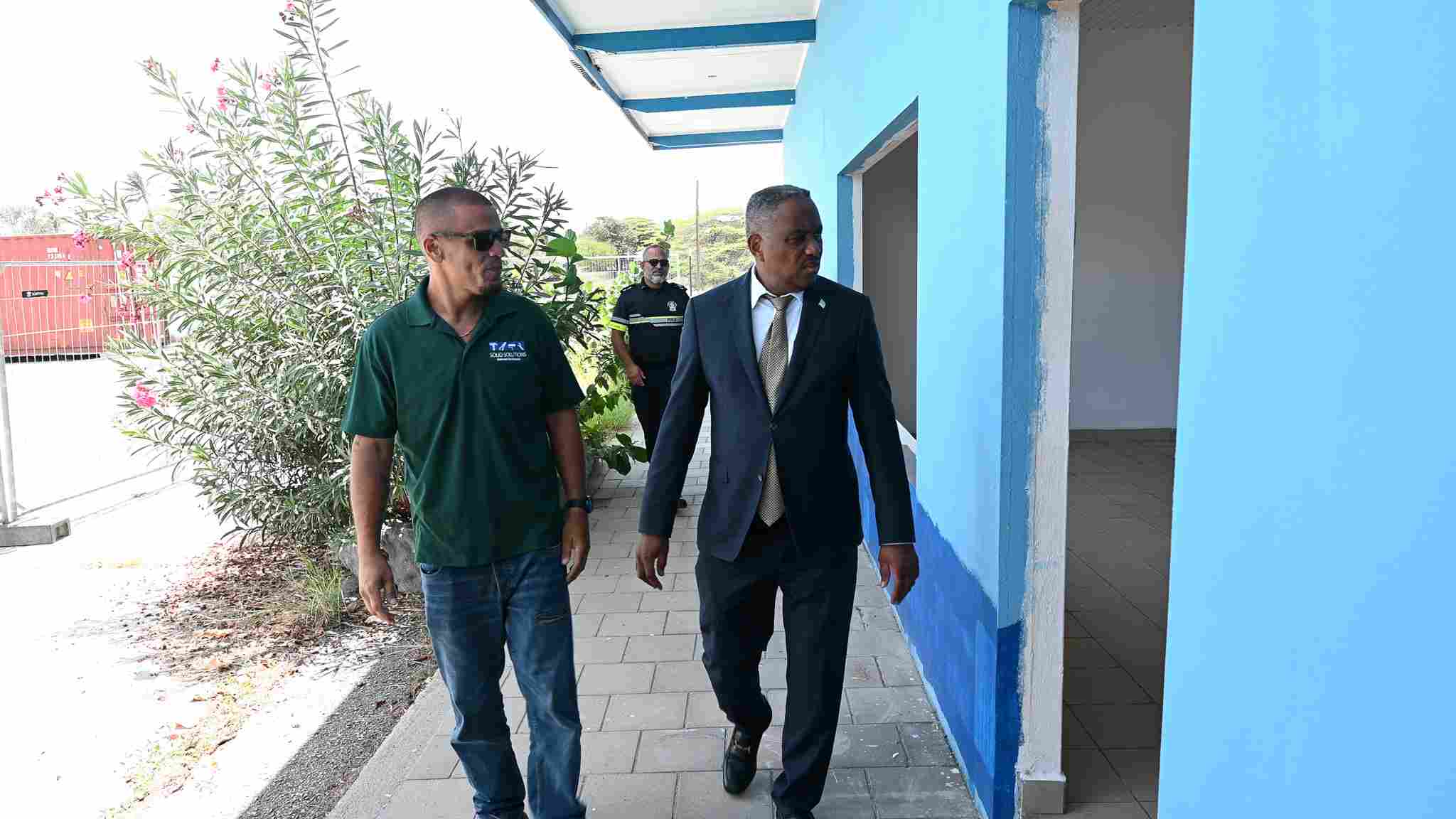
Aruba's Minister of Justice, Integration, Public Transport, and Energy, Mr. drs. Dowers, recently conducted an on-site inspection of ongoing renovation works at the Edgar Joaquin 'Watty' Vos Police Academy. The visit signals the government's active oversight of infrastructure improvements at one of the island's key law enforcement training facilities. The police academy plays a critical role in training and developing officers for Aruba's police force, making its upkeep a matter of public safety importance. Minister Dowers' inspection underscores the administration's commitment to ensuring the renovation is progressing according to plan and meeting required standards. The visit reflects broader government efforts to modernize and maintain essential public institutions on the island.
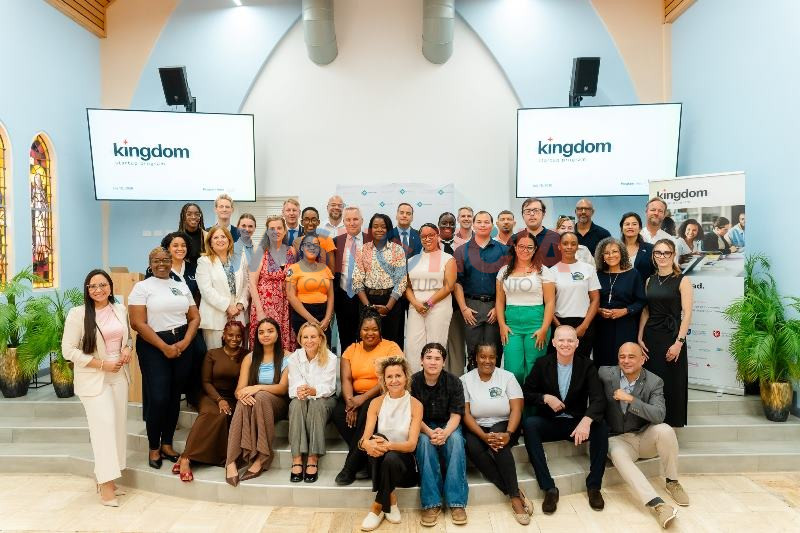
On Wednesday, July 16, 2025, Dutch State Secretary for Kingdom Relations and Efficient Government Eric van der Burg visited the University of Aruba to meet with student entrepreneurs participating in the Kingdom Startup program. He was accompanied by an Aruban minister during the visit. The Kingdom Startup program connects young entrepreneurs across the Dutch Caribbean islands and the Netherlands, giving students hands-on experience in launching businesses within a Kingdom-wide network. Van der Burg's visit highlights the ongoing engagement between the Dutch central government and Aruba's educational and entrepreneurial community. The meeting underscores the Kingdom's investment in youth-driven economic development across its constituent countries. Such visits by senior Dutch officials to Aruba signal active dialogue on shared priorities including economic resilience and youth opportunity.
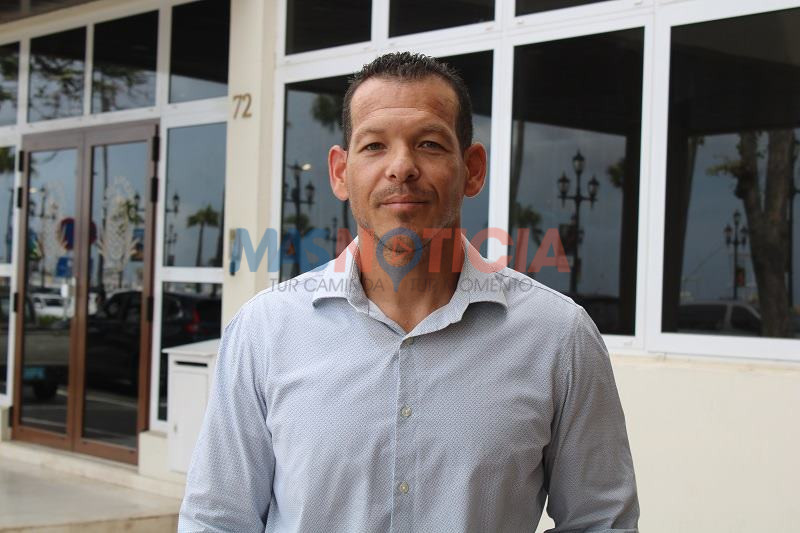
Aruban Member of Parliament Rocco Tjon of the MEP party has publicly raised concerns about Minister Gerlien Croes's failure to respond or act on an unspecified matter for more than ten days. Tjon emphasized that transparency and adherence to good governance principles are essential to maintaining public trust in government institutions. The parliamentarian's public statement signals growing frustration within the legislature over what he characterizes as a lack of accountability from the minister. While the specific issue awaiting the minister's action has not been fully detailed in the excerpt, Tjon's intervention suggests the matter carries significant public interest. The call-out reflects broader tensions in Aruba's political landscape around ministerial responsiveness and good governance standards. Tjon's public challenge puts pressure on Minister Croes to respond promptly and transparently to avoid further erosion of public confidence.
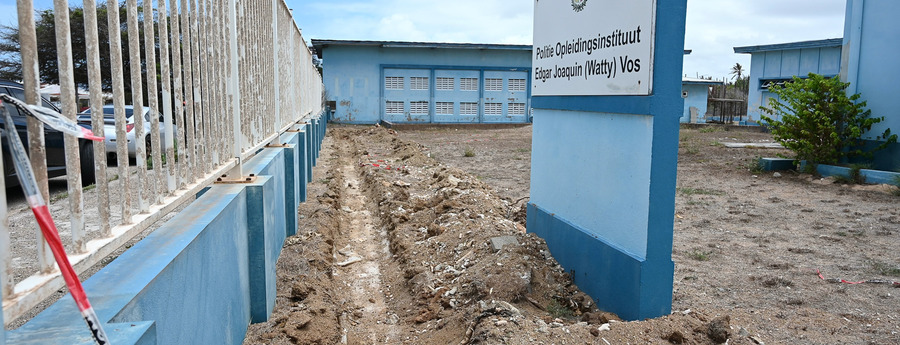
Aruba's Minister of Justice Arthur Dowers recently visited the Edgar Joaquin 'Watty' Vos Police Academy in San Nicolas to inspect the progress of ongoing renovation works. The project is focused on improving the facilities at the island's primary law enforcement training institution. The academy, located in the southern district of San Nicolas, plays a central role in training new police officers for Aruba. Minister Dowers' on-site inspection signals active government oversight of the project's execution. While full details of the renovation scope were not disclosed in the excerpt, the visit underscores the government's commitment to upgrading public safety infrastructure. Improving the academy's facilities is expected to enhance the quality of police training on the island.
The Dutch government is set to decide in August whether funding for the Landspakket program and its associated Temporary Organization for Work (TWO) will continue beyond 2026. The Landspakket is a financial and reform package established by the Netherlands to support Caribbean island nations, including Aruba and Curaçao, in exchange for debt relief and governance improvements during the COVID-19 pandemic era. The decision will have significant implications for Aruba, which has relied on the program's resources and institutional support to implement structural reforms. If the Netherlands chooses not to extend funding, the islands could face a funding gap and loss of reform support mechanisms. The report was originally published by the Curaçao Chronicle, indicating the matter is being closely watched across the Dutch Caribbean. No final decision has been announced yet, leaving island governments in a period of uncertainty as the August deadline approaches.

The Netherlands has introduced a new registration system requiring certain types of electric scooters and other special mopeds — known as 'bijzondere bromfietsen' — to display a vehicle number plate in order to legally operate on public roads. The policy shift reflects growing efforts in the Netherlands to regulate the increasingly popular micro-mobility vehicles amid safety and accountability concerns. Aruba, however, is maintaining its existing prohibition on e-scooters entirely, meaning riders on the island cannot legally use the devices on public roads regardless of registration. The divergence highlights the different approaches being taken by the Kingdom of the Netherlands and its constituent countries in the Caribbean. For Aruba, the continued ban signals that local authorities are not yet moving toward legalization or a regulated framework similar to the one now adopted in the European Netherlands.
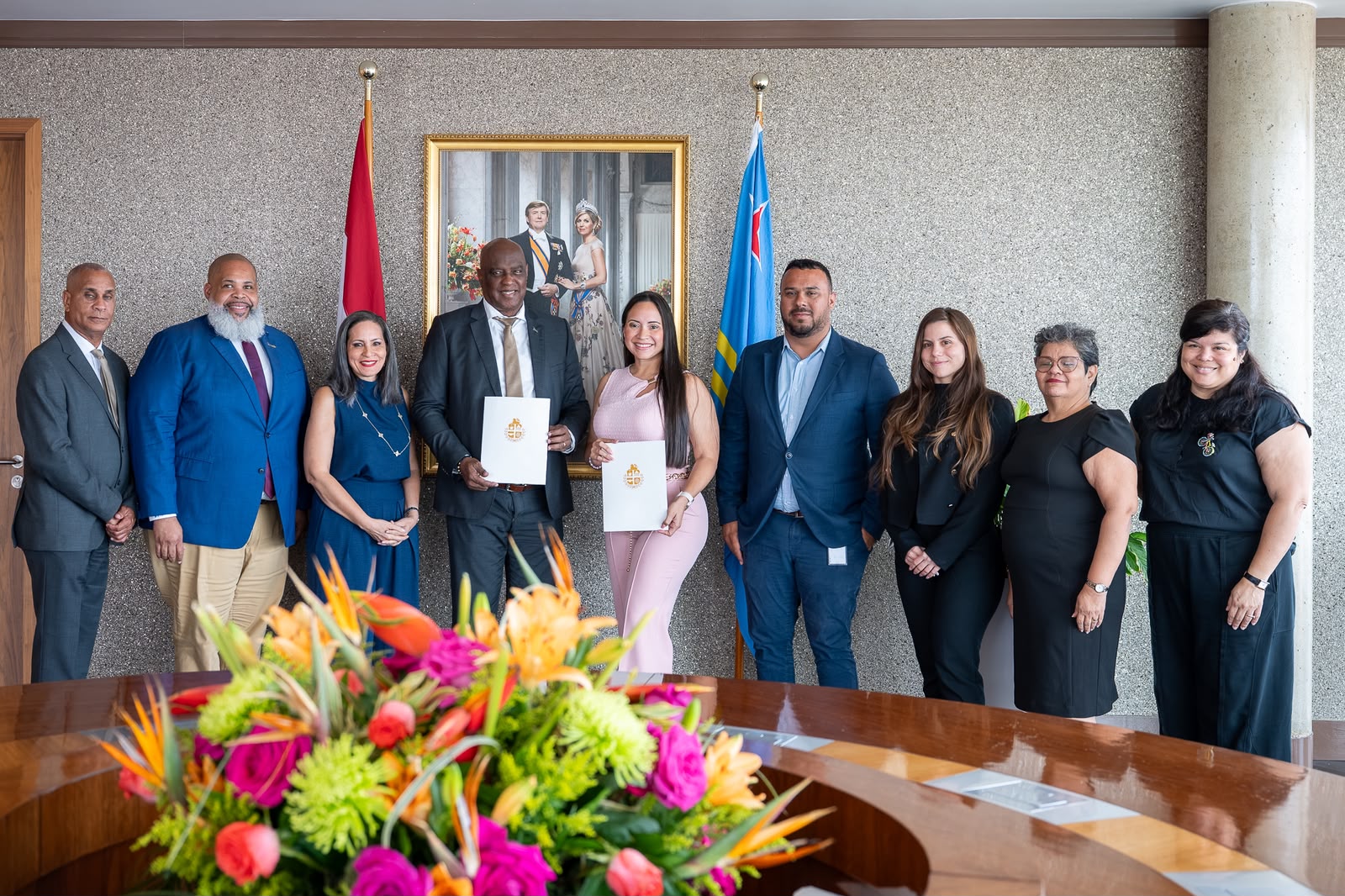
Aruba has signed a Memorandum of Understanding (MoU) with Curaçao aimed at improving Aruba's education system. The agreement was pursued because Curaçao developed and implemented its own reformed education system starting in 2020, which has been showing positive results. Under the MoU, Curaçao has committed to helping Aruba restructure and strengthen its educational framework by sharing knowledge, experience, and best practices. The partnership represents a formal inter-island collaboration within the Kingdom of the Netherlands, leveraging Curaçao's head start in educational reform to benefit Aruba. The agreement signals a recognition by Aruban authorities that systemic improvements are needed and that regional cooperation is a viable path forward. Details on a timeline or specific reform targets were not yet disclosed in the initial announcement.
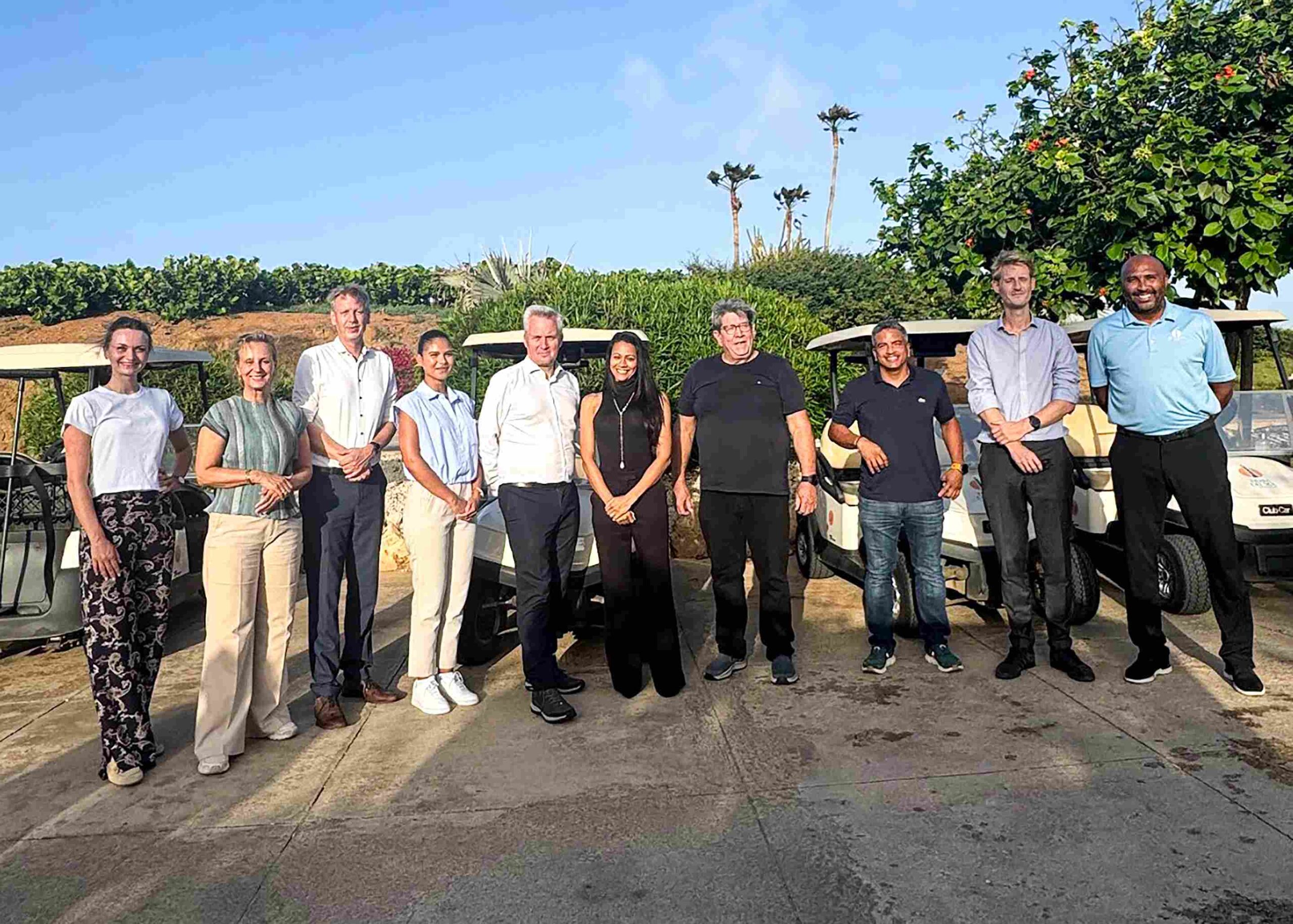
Eric van der Burg, the Dutch State Secretary for Interior Affairs and Kingdom Relations, recently paid a visit to Aruba as part of an official trip to the island. During his stay, he toured the Shoco Sanctuary, a conservation site dedicated to the protection of the Shoco, Aruba's native burrowing owl and a national symbol of the island. The visit highlights growing attention to environmental preservation efforts in Aruba at the highest levels of Kingdom governance. The Shoco has faced significant habitat loss in recent decades due to urban development, making the sanctuary a critical refuge for the species. Van der Burg's visit underscores the broader relationship between the Netherlands and its Caribbean constituent countries, where environmental and social issues often intersect with Kingdom policy discussions. The gesture may signal support from The Hague for local conservation initiatives on the island.

Aruba's Minister of Education SiThree 'Cey' van Heydoorn announced that Aruba and Curaçao have signed a Memorandum of Understanding focused on expanding collaboration in digital education. The agreement marks a formal commitment between the two Dutch Caribbean islands to work together on advancing digitalization within their respective education systems. The MOU signals a regional approach to modernizing schooling, recognizing that both islands face similar challenges in integrating technology into classrooms. By pooling resources and knowledge, the two governments aim to accelerate progress that may have been slower if pursued independently. The initiative reflects a broader Caribbean trend of inter-island cooperation on shared social and institutional priorities. No specific implementation timeline or funding details were immediately disclosed alongside the announcement.
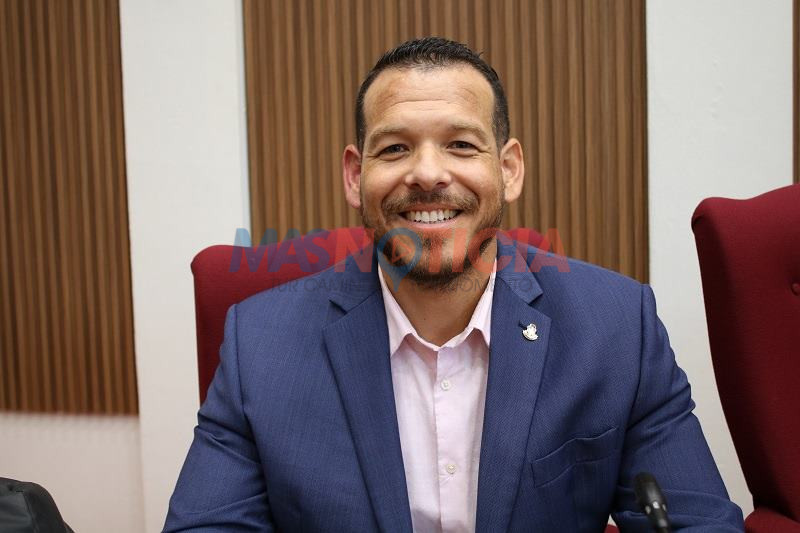
Aruba's Parliament President Gerlien Croes has finally broken her silence regarding a longstanding accountability matter, but only after being compelled to do so rather than acting on her own initiative. MEP parliamentarian Rocco Tjon brought the issue to light, revealing that more than 15 formal reminders had been sent without any response from the Parliament President. The Governor of Aruba has stepped in to demand transparency within Parliament, signaling that the matter has escalated to the highest levels of the island's governance. The repeated failure to respond to official inquiries has raised serious concerns about accountability and institutional transparency within Aruba's legislative body. The case highlights ongoing tensions between Parliament leadership and those seeking oversight and openness in government operations. The intervention by the Governor underscores the severity of the situation, as such direct involvement is considered unusual in Aruban parliamentary affairs.

Dutch State Secretary Eric van der Burg recently visited Aruba carrying a mandate from the Netherlands to address matters related to HOFA, though the specific nature of that mandate and what was accomplished during the visit remains unclear. A wall of silence has surrounded the trip, with no official statements released about the substance of the discussions or any outcomes reached. HOFA — a topic of ongoing political sensitivity between Aruba and the Netherlands — was reportedly the central focus of the visit. Political leaders on the island have been left without clear answers about what exactly transpired during Van der Burg's time on the island. The lack of transparency has drawn attention and concern from local figures who are questioning the secrecy around the visit. The situation underscores ongoing tensions in the relationship between Aruba's government and The Hague regarding oversight and administrative matters. No official follow-up communication has been made public as of the time of reporting.
An opinion piece published by EA News Aruba levels sharp criticism at Aruba's AVP-FUTURO governing coalition, accusing the alliance of abusing public power. The headline frames the coalition as a 'disgrace for Aruba,' suggesting conduct that the outlet views as crossing ethical or legal boundaries of governance. AVP (Arubaanse Volkspartij) is one of Aruba's major political parties, and its partnership with the FUTURO movement has been a focal point of political debate on the island. The piece appears to be part of ongoing media scrutiny of the current administration's actions and decision-making. While the full details of specific allegations are not provided in the excerpt, the framing indicates concerns about the misuse of governmental authority. Such criticism reflects broader tensions in Aruban politics surrounding accountability and transparency. The article contributes to a pattern of public debate over the legitimacy and conduct of the island's leadership.

In the first half of 2026, the most common reason Aruba residents filed complaints with the Ombudsman was a failure by government agencies to respond to their inquiries or requests. At least 27 complaints were lodged on this specific basis during the period, highlighting a pattern of unresponsiveness from public institutions. The Ombudsman serves as an independent watchdog that investigates citizen grievances against government bodies. The recurring nature of this complaint suggests a systemic issue within Aruban government communication and accountability. This trend is significant because it reflects broader public frustration with the accessibility and responsiveness of official channels. The data underscores the importance of the Ombudsman's role in holding government agencies accountable to the citizens they serve.
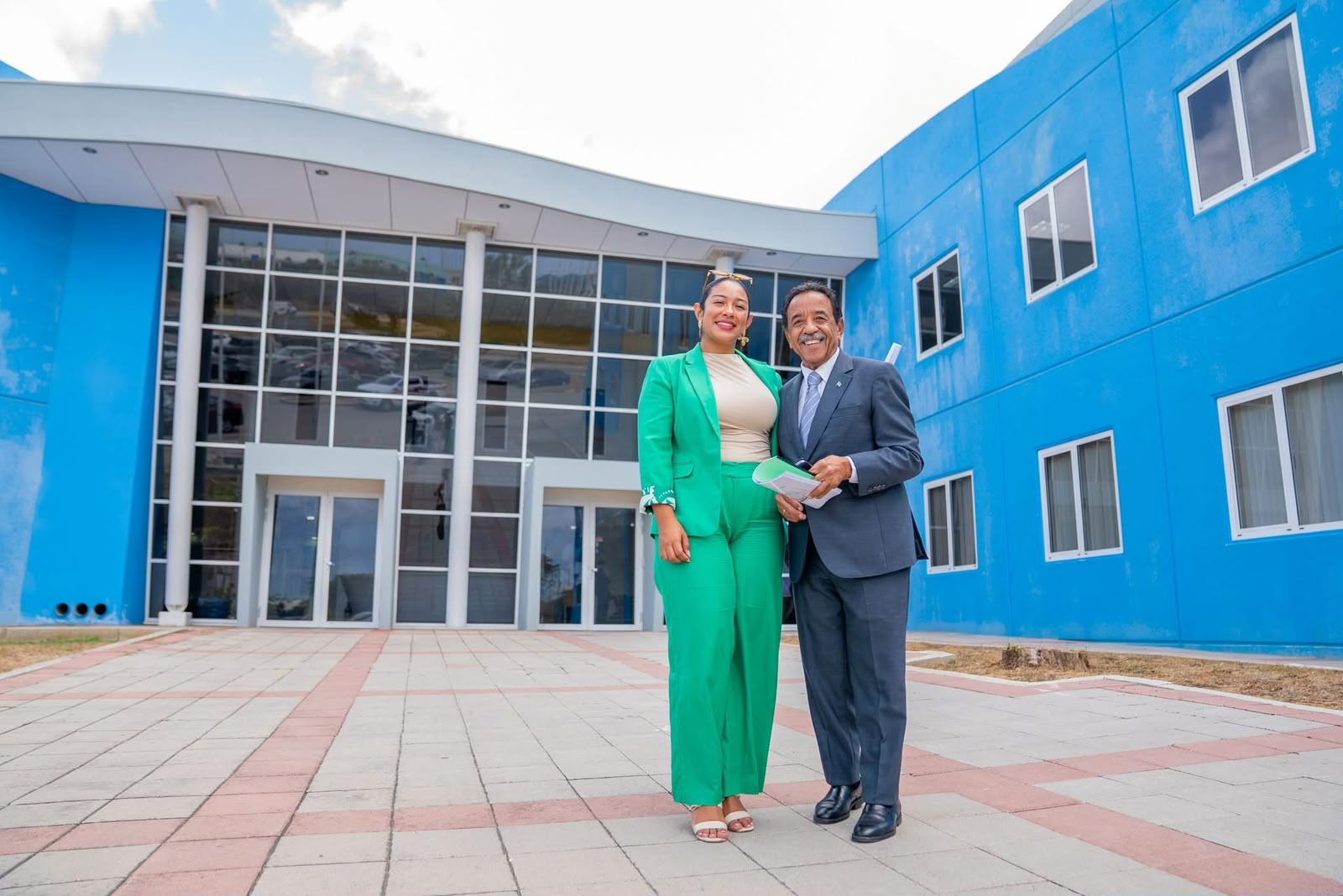
AVP (Partido di Pueblo Arubano) parliamentarian Stephany Sevinger has expressed satisfaction with recent announced changes to Aruba's erfpacht (ground lease) management policy. The announcement was made by Minister of Infrastructure drs. René Herdé. Sevinger indicated that the changes reflect the voice of the people, suggesting that public concerns about the erfpacht system had been heard and acted upon by the government. Erfpacht is a long-term land lease system used in Aruba where residents lease government-owned land rather than purchasing it outright, and it has historically been a source of frustration for many Arubans. The policy changes are seen as a meaningful step toward addressing longstanding community grievances related to land rights and lease management. Sevinger's public endorsement signals cross-party or at least public acknowledgment that the minister's reforms are a move in the right direction.

Aruba's Prime Minister Evelyn Wever-Croes, speaking at an MEP party press conference this morning, disclosed that the Aruban government has once again gone quiet regarding its ongoing negotiations with the Dutch State Secretary. The phrase 'muis stil' — meaning 'quiet as a mouse' — signals a notable lack of public communication or transparency around the talks. The negotiations between Aruba and the Netherlands typically concern matters of governance, financial supervision, or constitutional Kingdom relations. This is not the first time the government has been criticized or noted for going silent during sensitive diplomatic discussions with The Hague. The lack of updates leaves the public and political observers in the dark about the current status and direction of the negotiations. Wever-Croes's remarks suggest growing frustration or concern within MEP about the handling of these high-stakes discussions. The outcome of these negotiations could have significant implications for Aruba's autonomy and financial arrangements within the Kingdom of the Netherlands.
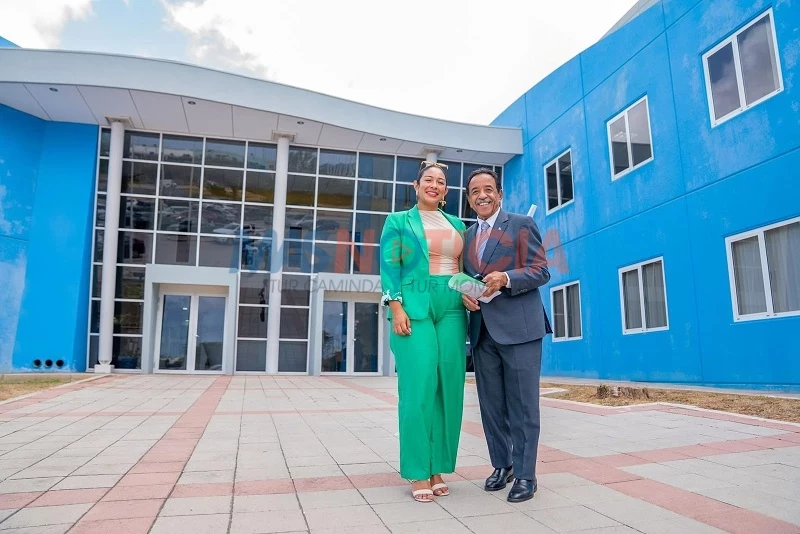
Aruban People's Party (AVP) parliamentarian Stephany Sevinger has expressed satisfaction with the recent announcement by Minister of Infrastructure René Herdé regarding changes to the management of erfpacht — a leasehold land tenure system used widely in Aruba. Sevinger characterized the announced policy shifts as a positive response to longstanding public concerns, suggesting that citizens' voices have been heard by the government. However, she made clear that while the changes represent progress, the work is far from finished and more reforms are still needed. The erfpacht system has been a contentious issue in Aruba, with many residents raising concerns about fairness, transparency, and affordability of government-held land leases. Sevinger's statement signals that the opposition AVP party intends to continue monitoring and pushing for further improvements to the policy. The announcement reflects growing political pressure to modernize how Aruba manages its leasehold land arrangements.
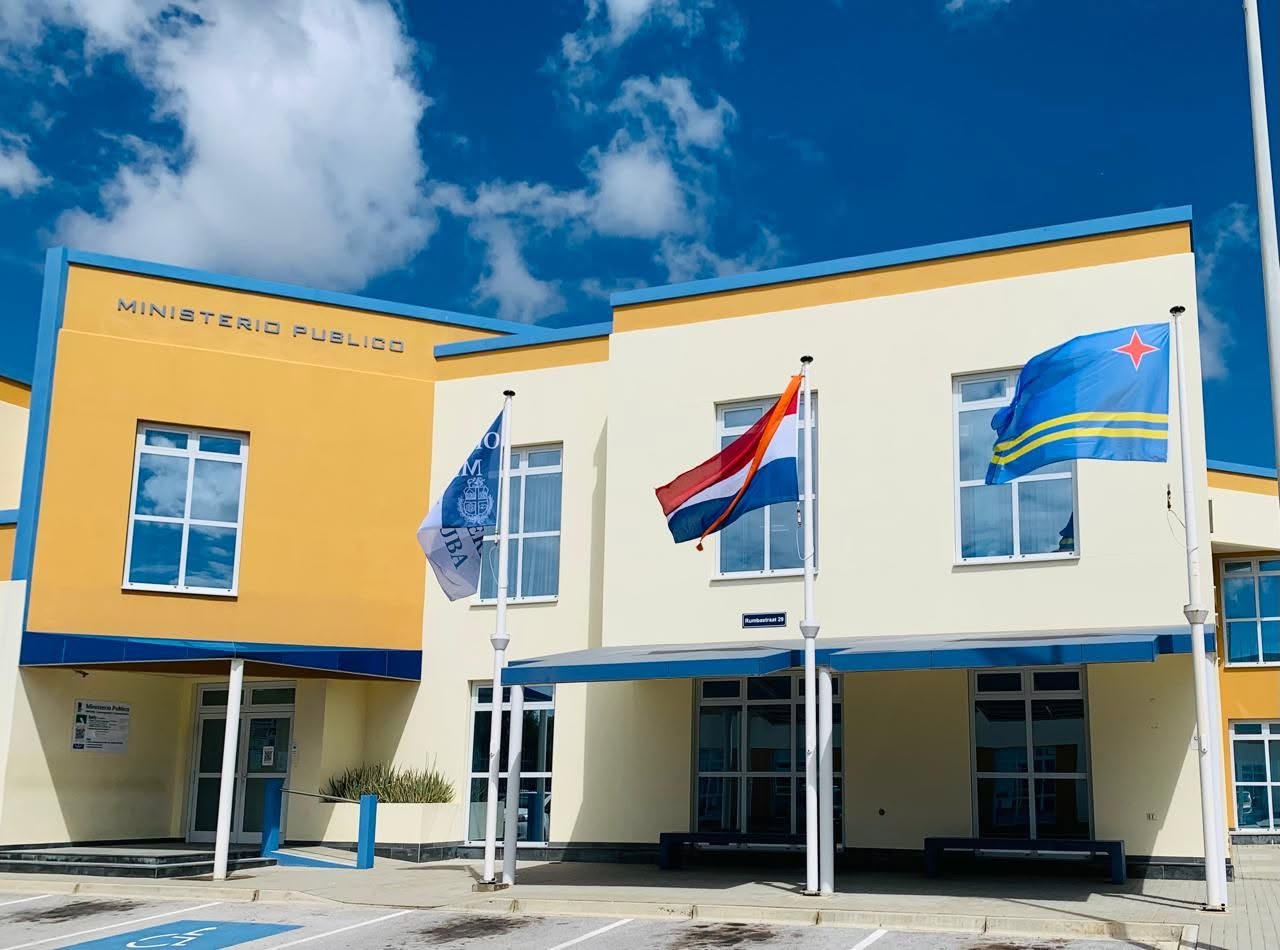
A report from Aruba's 24ora alleges that the Public Prosecution Service (Ministerio Publico) has for many years declined to seriously investigate cases of manipulation and fraud connected to the Aruba Refinery. Critics claim the prosecution office is using political influence — described as 'political measures' — to avoid pursuing cases in which the government allegedly secured significant cooperation and support under questionable circumstances. The accusations suggest a pattern of institutional inaction rather than isolated incidents. The refinery has long been a politically sensitive and economically significant asset for Aruba, making prosecutorial independence in related cases a matter of public concern. The allegations raise serious questions about accountability and the rule of law in Aruba's public institutions. No formal charges or judicial rulings are referenced in the excerpt, indicating the matter remains at the stage of public accusation and media scrutiny.

At a press conference held by the Movimiento Electoral di Pueblo (MEP), party member Edgar Vrolijk publicly accused Minister Wever of imposing hidden price increases that effectively take money back from the Aruban public. Vrolijk highlighted what he described as a drastic and concealed change in pricing, suggesting the move was done without transparency. The accusation points to a broader political tension between MEP and the current minister, with MEP framing the price hike as a covert financial burden on ordinary residents. While the full details of the price change were not fully disclosed in the excerpt, the language used — 'cobra pueblo bek,' meaning 'charging the people back' — implies the public is being made to pay more after potentially receiving some form of relief or subsidy. This type of allegation, made through a formal press conference, signals that MEP intends to make the issue a matter of public and political accountability. The controversy could have implications for consumer costs across Aruba and may intensify scrutiny of Minister Wever's policy decisions.
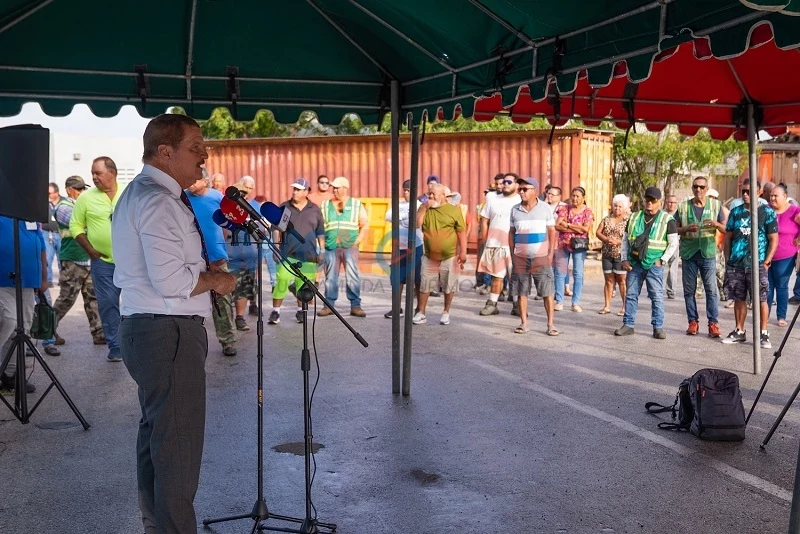
Aruban Prime Minister Mike Eman met with multiple crews and workers from the Department of Public Works (DOW) at the start of the week to launch a coordinated island cleanup initiative. The meeting took place Monday morning and brought together the various field teams that are responsible for daily cleaning and maintenance operations across Aruba. The initiative signals a hands-on approach from the Prime Minister, who joined the workers directly rather than simply issuing directives from office. DOW is the government department tasked with maintaining public infrastructure and cleanliness on the island. The joint effort appears aimed at reinforcing civic pride and environmental upkeep across Aruba. By aligning leadership with frontline workers, the government is emphasizing a unified, top-down commitment to keeping the island clean and well-maintained.

Aruba's Minister of Finance Geoffrey Wever announced that the College Aruba financieel toezicht (CAft), the island's financial oversight body, has issued a positive advisory opinion on the draft 2027 budget. According to CAft, Aruba is on track to meet its fiscal obligations under the proposed budget plan. This approval is a significant milestone for the island's government, as CAft oversight was established following Aruba's debt relief arrangements with the Netherlands and carries considerable weight in validating fiscal responsibility. A positive CAft recommendation signals that the budget aligns with the agreed financial norms and conditions set for the island. This development reflects continued progress in Aruba's efforts to manage its public finances in a disciplined and transparent manner.
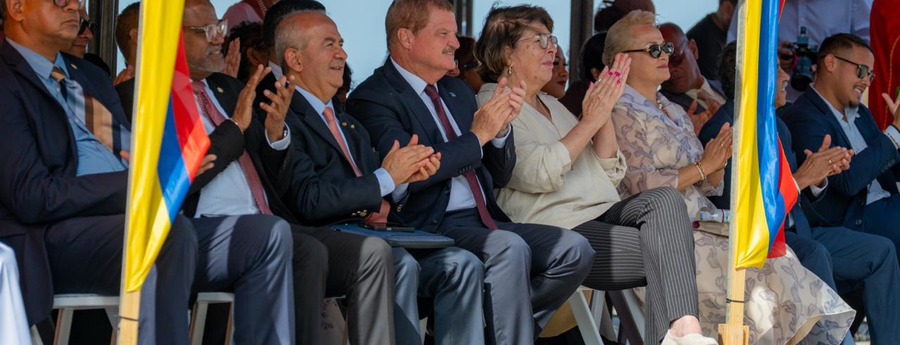
Aruba and Colombia reaffirmed their close friendship and cooperation during an official celebration of Colombian Independence Day in Oranjestad. Authorities from both sides gathered to mark the occasion and highlight the strong bilateral relationship that exists between the island and the South American nation. Colombian Independence Day, observed on July 20, commemorates the country's declaration of independence from Spanish rule in 1810. The event underscored the cultural and diplomatic bonds between Aruba and Colombia, which are closely linked through trade, migration, and geographic proximity. Colombian nationals represent one of the largest foreign communities on Aruba, making this relationship particularly significant for the island's social and economic fabric. Officials from both governments used the occasion to emphasize ongoing cooperation and shared interests moving forward.
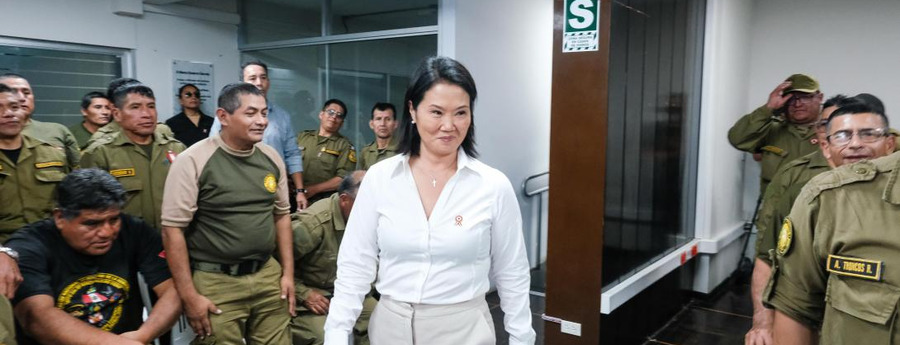
Aruba's Prime Minister Mike Eman will represent the Kingdom of the Netherlands at the official presidential inauguration ceremony in Peru on July 28. The event marks the transfer of power to Keiko Fujimori, who will be sworn in as Peru's new president. Eman's attendance signals the Kingdom's diplomatic engagement with Latin American nations and reflects the broader role Aruba plays within Kingdom foreign affairs. Keiko Fujimori, daughter of former Peruvian president Alberto Fujimori, has been a prominent and controversial figure in Peruvian politics for years. The July 28 date holds historical significance in Peru, as it coincides with the country's Independence Day. The Kingdom of the Netherlands traditionally sends representatives to such high-profile regional ceremonies to maintain diplomatic ties.

The Government of Aruba officially participated in the celebration of Colombia's Independence Day, held at the Tourist Port of Aruba. The event brought together authorities from both nations in a formal, protocol-driven ceremony marking Colombia's national holiday. The gathering served as a visible reaffirmation of the longstanding diplomatic and friendly ties between Aruba and Colombia. Given the geographic proximity of the two countries and the significant Colombian community present on the island, the relationship carries both cultural and economic weight. Events like this underscore Aruba's active engagement with its regional neighbors through diplomatic ceremonies. The celebration highlights the importance Aruba places on maintaining strong bilateral relationships with Caribbean and Latin American nations. No specific policy announcements or agreements were reported from the event.
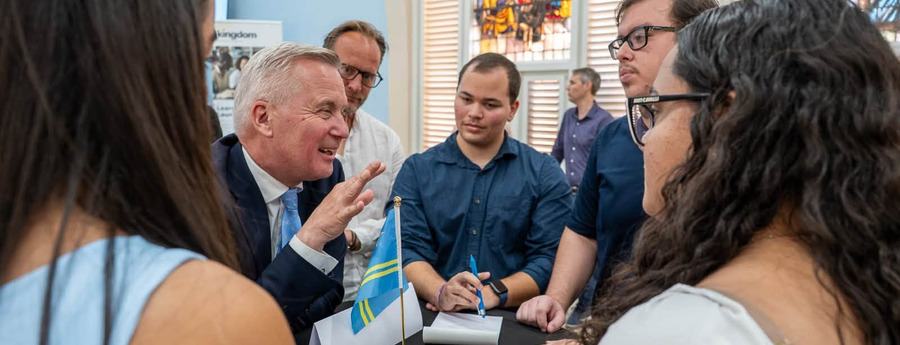
Dutch State Secretary Eric van der Burg praised Aruba as a model of effective collaboration, stating that the island demonstrates what can be achieved when government, organizations, and the community work together with a shared vision for the future. His remarks were made during a visit to Oranjestad, where he highlighted the island's cooperative approach as noteworthy. Van der Burg's comments underscore the importance of unified governance and civic engagement in small island communities. The praise comes from a high-ranking Dutch official, lending significant weight to Aruba's governance model within the Kingdom of the Netherlands. Such recognition can strengthen Aruba's standing in ongoing relations with the Netherlands and may bolster confidence in the island's institutional partnerships. The statement reflects a broader acknowledgment of Aruba's progress in aligning public and private sector efforts toward common goals.

At least one quarter of municipalities in the Netherlands are seeking to ban all fireworks during the upcoming New Year's celebrations, according to a report from The Hague. This move comes even as new legislation technically allows clubs and foundations to apply for permits to organize fireworks displays. The push reflects growing concern among local governments about the safety risks, injuries, and public disorder associated with consumer fireworks during the holiday period. The Netherlands has seen increasing pressure from municipalities in recent years to restrict or outright eliminate private fireworks use. While the national law provides a framework for organized displays, many local governments are choosing the stricter option of a full prohibition. The trend signals a significant cultural shift in how New Year's Eve celebrations are managed across the country, a development closely watched in Dutch Caribbean territories like Aruba where similar traditions exist.
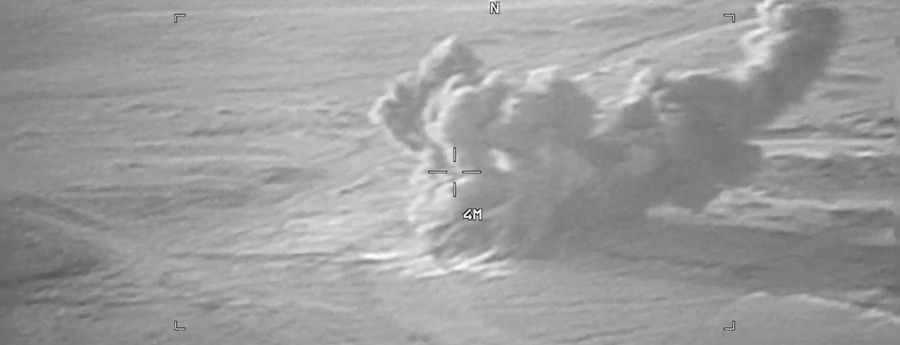
The United States and Iran continued exchanging military strikes for a ninth consecutive night, significantly escalating tensions across the Middle East. American forces carried out attacks on multiple military targets inside Iran, continuing a pattern of back-and-forth hostilities that has alarmed the international community. The strikes mark a dangerous and sustained escalation between the two nations, moving beyond isolated incidents into what appears to be an ongoing military confrontation. The conflict is being closely watched by regional allies and global powers, as the situation carries the potential to draw in additional actors and destabilize the broader Middle East. Aruba's locally published outlet Noticia Cla is reporting on the crisis, reflecting widespread Caribbean public interest in the unfolding geopolitical situation.
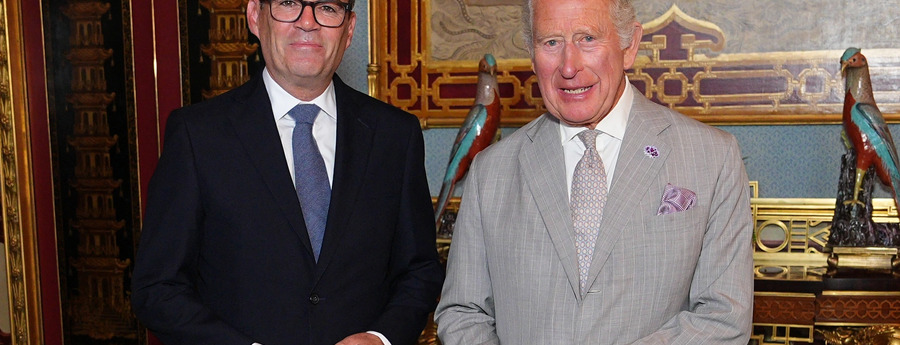
Andy Burnham has been officially sworn in as the new Prime Minister of the United Kingdom after King Charles invited him to form a new government. He succeeds Keir Starmer, who led the country for just over two years following Labour's landslide victory in the 2024 general election. Burnham, formerly the long-serving Mayor of Greater Manchester, is a prominent figure within the Labour Party known for his work on public health and regional policy. The transition marks a notable shift in UK leadership, with Burnham taking the reins at a time of ongoing economic and geopolitical challenges facing Britain. His appointment was formalized through the traditional audience with the monarch at Buckingham Palace. The change in leadership is being closely watched across the Commonwealth, including Caribbean nations with ties to the UK. Burnham's priorities and cabinet appointments are expected to be announced in the coming days.

Aruba's Minister of Finance Geoffrey Wever last week submitted the country's 2027 national budget to the College Aruba Financieel Toezicht (CAft), the independent financial oversight body established by law to monitor Aruba's fiscal health. Following its review, CAft issued a positive advisory on the submitted budget, a significant development for the island's fiscal planning process. CAft's role is enshrined in legislation, giving its assessments considerable weight in determining whether Aruba's budget meets required financial standards. A positive advisory from CAft signals that the 2027 budget aligns with the fiscal norms and conditions set for the country. This outcome is meaningful for Aruba's government as it moves forward with financial planning and demonstrates continued fiscal discipline. The approval process is a key step before the budget can be formally adopted and implemented.
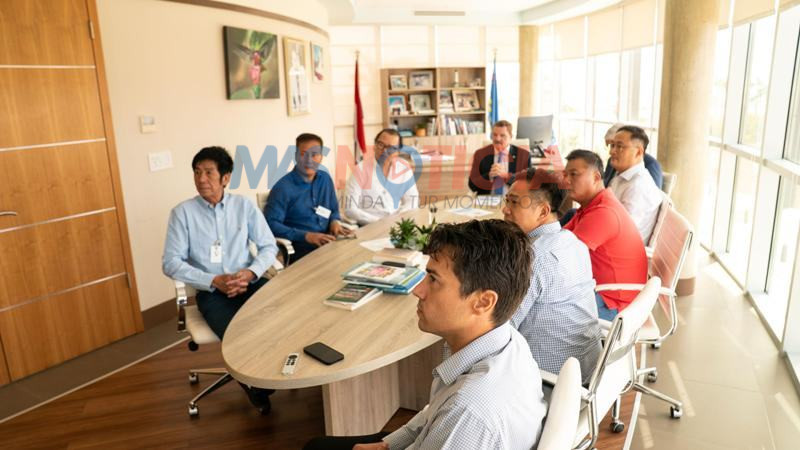
Aruban Prime Minister Mike Eman held a meeting with representatives of the Chinese business community as part of the island's 'Dia Nacional pa Cuida Aruba' — National Day to Care for Aruba — initiative. The meeting focused on strengthening the participation of the Chinese commercial sector in this national effort. The initiative appears aimed at encouraging businesses and community groups across Aruba to take an active role in caring for and improving the island. By engaging the Chinese community specifically, the government is signaling an inclusive approach that brings diverse business groups into civic responsibility efforts. The Chinese community represents a significant segment of Aruba's retail and commercial landscape, making their involvement particularly impactful. The dialogue reflects a broader push by the Eman administration to unite various sectors of Aruban society around shared national pride and environmental or civic stewardship goals.

Aruba's Minister of Tourism, Transport, and Labor, Wendrick Cicilia, joined Dutch State Secretary Eric van der Burg on a visit to Ecotech, an organization being highlighted as an example worth following across the Dutch Caribbean. The visit was described as a cordial and significant meeting, signaling high-level interest in Ecotech's work from both Aruban and Dutch government officials. While the full details of the excerpt are limited, the involvement of a Dutch State Secretary suggests the initiative carries regional and Kingdom-level relevance. Ecotech appears to be recognized for its contributions in a field — likely sustainable technology or environmental innovation — that aligns with broader Caribbean development goals. The visit underscores Aruba's role in showcasing models that other Dutch Caribbean islands may look to adopt. The presence of both local and Netherlands government leadership at the meeting elevates the profile of Ecotech's work considerably.

Aruba's authorities welcomed a visit from Colombian Navy vessel ARC26 as part of celebrations marking Colombia's 216th anniversary of independence. The visit was highlighted by Aruban officials as a meaningful expression of the deep historical and cultural ties that bind the two nations. Colombia and Aruba share longstanding connections rooted in geography, trade, and cultural exchange, given Aruba's proximity to the South American mainland. The naval visit served as a diplomatic gesture reinforcing the friendship and fraternity between both peoples. Officials described the relationship as one built over generations and reflective of shared values. The event underscores Aruba's ongoing engagement with neighboring countries in the region, particularly Colombia, which remains one of its closest cultural and economic partners.
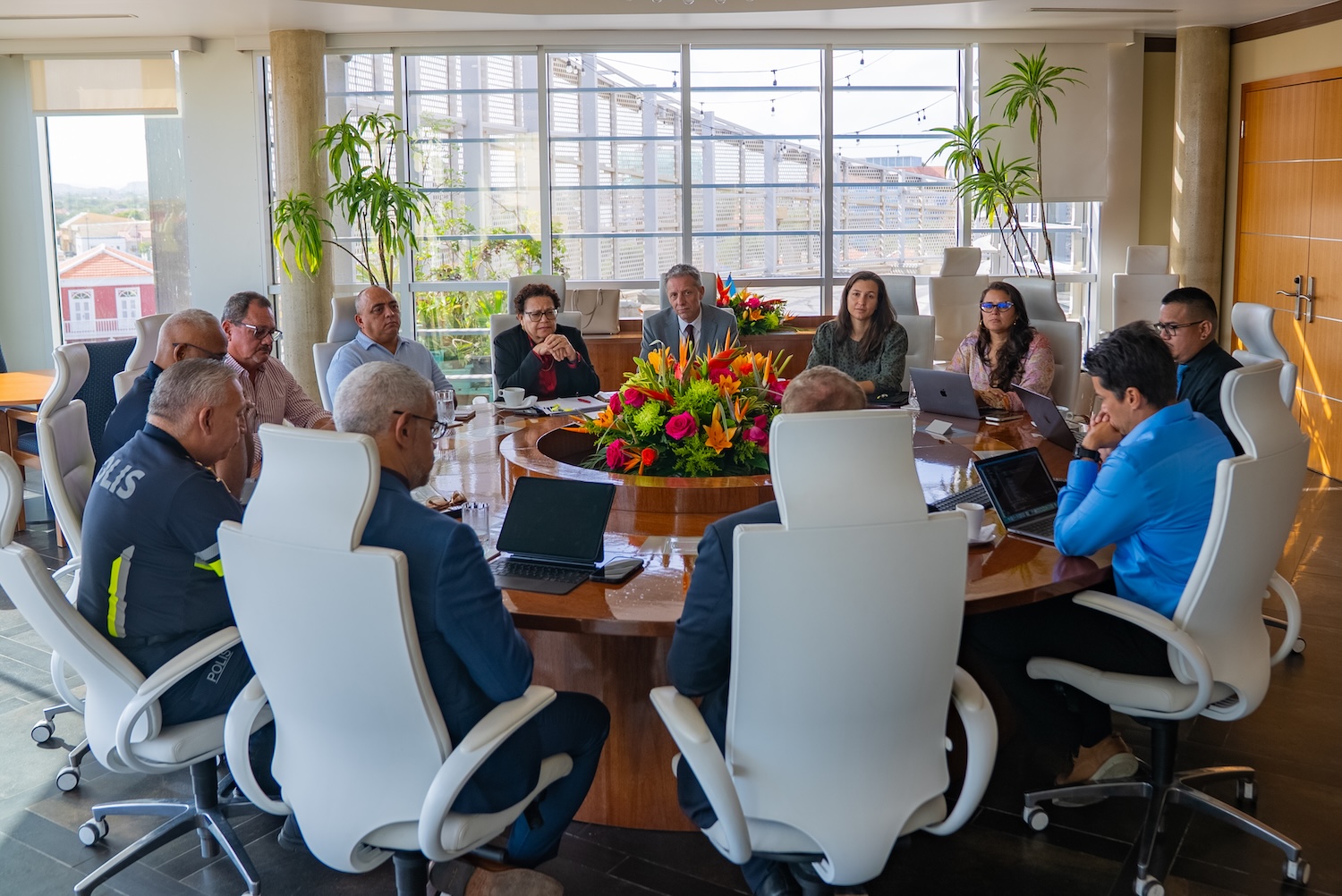
The Director of Aruba's Nature and Environment Department (DNM), Gisbert Boekhoudt, participated in a meeting with Prime Minister Mike Eman and several other agencies involved in enforcement efforts aimed at keeping Aruba clean. The gathering brought together government and judicial institutions to coordinate a unified approach to environmental compliance and cleanliness standards across the island. The meeting signals a broader push by the Aruban government to strengthen enforcement mechanisms around littering, illegal dumping, or other environmental violations. By uniting multiple agencies under a shared strategy, authorities aim to close gaps in oversight and improve accountability. The collaboration between executive leadership and judicial bodies suggests that enforcement may carry legal consequences for violators. This initiative reflects growing concern about maintaining Aruba's natural environment, which is closely tied to its tourism-dependent economy. No specific policy measures or penalties were detailed in the available excerpt.

The ARC 24 de Julio, a high-seas patrol vessel and one of the largest and most modern ships built in Colombia, has arrived in Aruba as its first port of call. The visit is described as a diplomatic training mission, reflecting the type of goodwill and cooperation voyages that naval vessels conduct between friendly nations. The ARC 24 de Julio represents a significant asset in the Colombian Navy's fleet, underscoring Colombia's investment in modern maritime patrol capabilities. Aruba, situated close to the South American mainland, regularly receives diplomatic and naval visits given its strategic location in the southern Caribbean. The visit highlights the ongoing ties between Colombia and Aruba, which share close geographic, cultural, and economic connections. No incidents or security concerns were reported in connection with the ship's arrival.
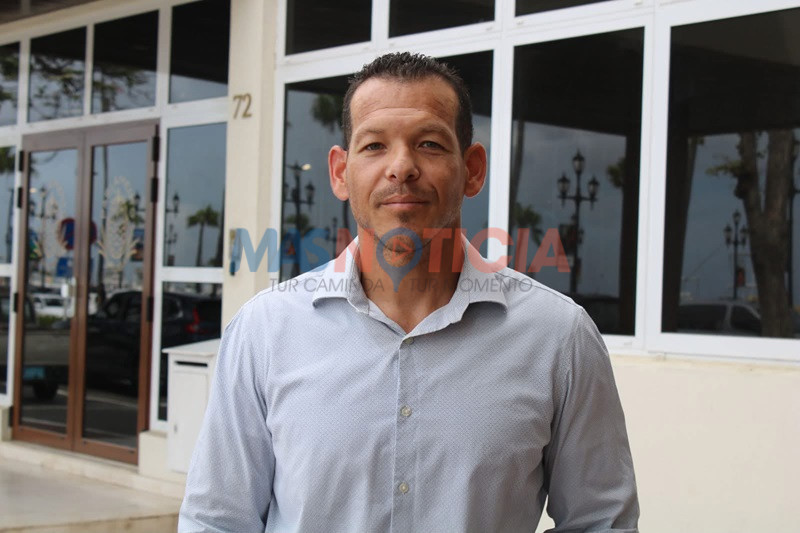
Aruba parliamentarians Evelyna Wever-Croes and Rocco Tjon filed a formal petition on July 14, 2026, addressed to Minister of Tourism, Transport, and Labor Wendrick Cicilia, requesting transparency regarding a sushi-related project financed through the Aruba Tourism Authority (ATA). The petition was submitted under the Landsverordening openbaarheid, Aruba's freedom of information legislation, which grants citizens and officials the right to request access to government documents and records. The lawmakers are seeking clarity on the nature, scope, and use of public funds connected to the project. The involvement of ATA — the island's principal tourism promotion body — raises questions about how tourism resources are being allocated. The formal petition triggers a legal obligation for the minister to respond within a set timeframe. This move reflects ongoing legislative scrutiny of government spending and transparency in Aruba's tourism sector.

The Colombian Navy vessel ARC 24 de Julio arrived in Aruba on Friday morning for a special weekend visit, reinforcing diplomatic and military relations between Aruba and Colombia. The visit coincides with a significant celebration, adding symbolic weight to the occasion. The ARC 24 de Julio is a Colombian naval ship whose arrival marks a formal gesture of goodwill between the two nations. Aruba and Colombia share close geographic proximity, with the Colombian coast lying just a short distance from the island, making maritime cooperation and strong bilateral ties especially relevant. Visits of this nature typically involve ceremonial exchanges, meetings between officials, and opportunities for the public or local authorities to tour the vessel. Such naval visits are a recognized diplomatic tool used to deepen partnerships and signal mutual respect between neighboring states. The event underscores Aruba's continued engagement with its South American neighbors as part of broader regional diplomacy.
Aruba's Ministry of Justice is commemorating Justice Day 2026, an annual observance that highlights the role of the justice system and its institutions in maintaining law, order, and public safety on the island. The event brings together officials, legal professionals, and justice sector employees to reflect on the ministry's work and achievements over the past year. Justice Day serves as an opportunity to recognize the contributions of those working within the legal and law enforcement framework in Aruba. The occasion typically includes ceremonies, speeches, and public outreach aimed at strengthening community trust in the justice system. While specific program details from the original excerpt are limited, the celebration underscores Aruba's ongoing commitment to upholding the rule of law and promoting justice for all residents.
A political story out of Aruba, described under the metaphor 'Onion Peeling,' points to intense competition among multiple candidates vying for a single political position. The phrase 'everyone wants the seat' suggests a crowded field of aspirants, likely within a party or government body, each angling for influence or office. The 'onion peeling' metaphor implies that as the situation unfolds, new layers of political maneuvering and hidden interests are being revealed. This type of internal political rivalry is common in Aruba's small but active parliamentary landscape, where coalition dynamics and individual ambitions frequently shape governance. The limited detail in the excerpt means the specific seat, party, or individuals involved have not been fully identified, but the tone suggests competitive and potentially contentious political activity. Such power struggles can have real consequences for Aruba's coalition stability and legislative priorities. The story appears to be developing, with further revelations expected as the situation unfolds.
The Government of Aruba has announced a new housing policy aimed at creating greater opportunities for residents to access affordable homes on the island. The initiative reflects ongoing concerns about housing availability and affordability that have been a persistent challenge across Aruba. While full details of the policy have not been disclosed in the available excerpt, the announcement signals a formal government commitment to addressing the housing shortage. Housing access is a significant issue in Aruba, where rising costs and limited land availability have made homeownership difficult for many local residents. The policy is expected to outline new frameworks or incentives that could facilitate construction, ownership, or rental opportunities. This move positions housing as a priority area for the current administration. Further details on implementation timelines and eligibility criteria are anticipated as the policy rollout progresses.
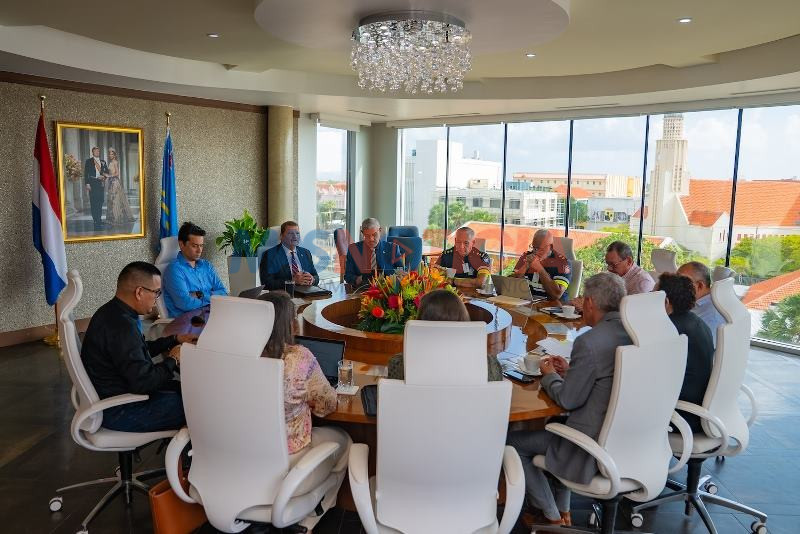
The Director of the Department of Nature and Environment (DNM), Gisbert Boekhoudt, participated in a meeting with Prime Minister Mike Eman and several other agencies involved in enforcement efforts aimed at keeping Aruba clean. The meeting brought together government and judicial institutions to coordinate a unified approach to environmental compliance and cleanliness enforcement on the island. The collaboration signals a multi-agency commitment to tackling littering and environmental violations more effectively. By aligning government leadership with judicial and enforcement bodies, Aruba aims to strengthen the legal and operational framework for maintaining public cleanliness. This joint effort reflects growing concern about environmental upkeep on the island and the need for coordinated action rather than isolated enforcement measures.
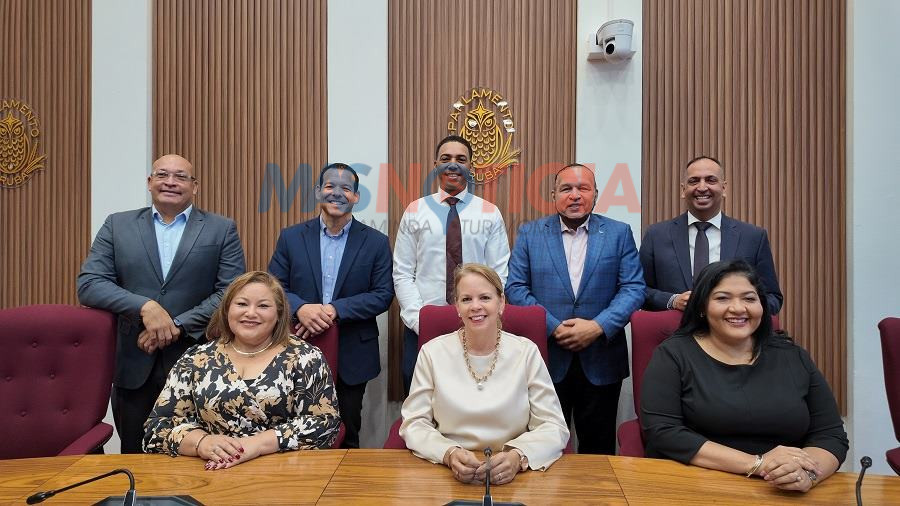
Aruba's MEP party faction has expressed serious concern over press reports indicating that the Dutch Council of Ministers granted State Secretary Eric van der Burg authority to negotiate changes to the HOFA — the Kingdom financial oversight agreement tied to Aruba's pandemic-era liquidity support. MEP argues it is unacceptable that Parliament is learning about potential amendments to this critical financial framework through media coverage rather than through official government channels. The party's objection centers on transparency and the proper role of Parliament in being informed and consulted on matters of national financial governance. HOFA has been a contentious arrangement since its implementation, as it placed conditions on Aruba's financial management in exchange for Dutch support during COVID-19. MEP's statement signals growing tension between Aruba's legislature and the executive process surrounding Kingdom-level financial negotiations. The faction has not yet detailed what specific changes are reportedly being negotiated, but has called out the process as a breach of democratic norms.